
Custom at Scale: Nilay Goel on Procurement, Partnerships, and Precision
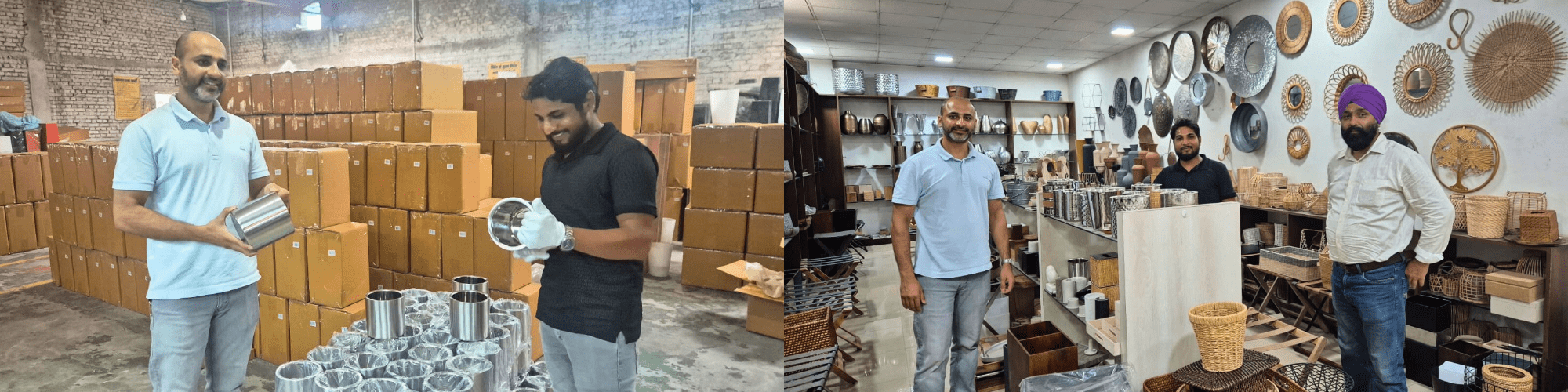
Mass customization takes coordination, communication, and a deep understanding of how to turn sketches into finished products. As Director of Procurement in India, Nilay Goel plays a key role in turning design ideas into real, guest-ready products. In this Q&A, he shares how his team help bring mass customization to life, and why long-term relationships are at the heart of it.
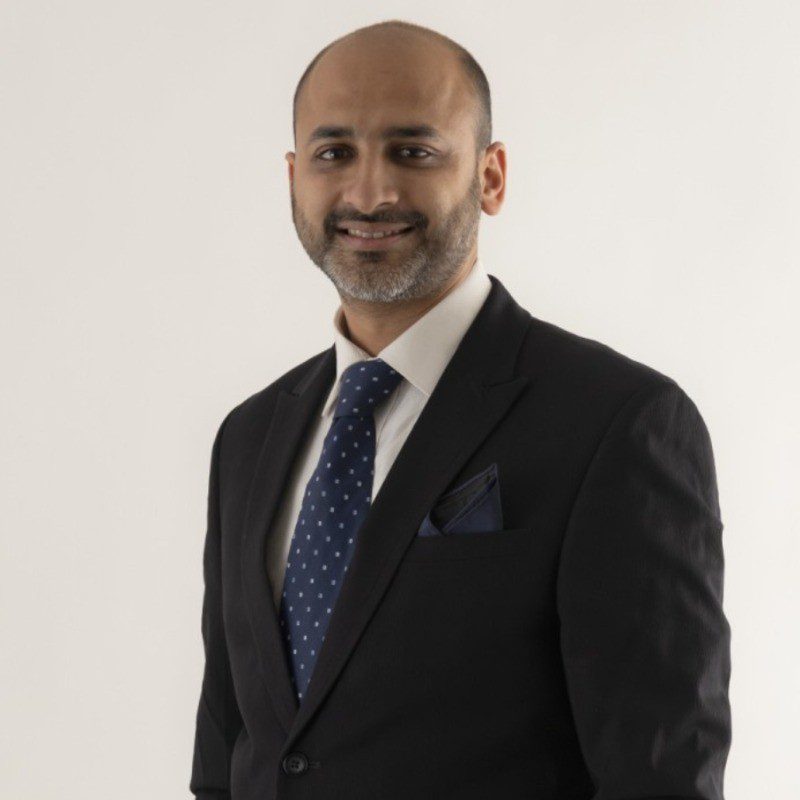
How long have you been with Paradigm Trends, and what’s your current role?
I’m the Director of Procurement here in India, and I’ve been with Paradigm Trends for 13 years now. It’s been quite the journey. I’ve grown with the company and seen first-hand how our operations in India have evolved over time.
That’s great to witness first-hand! What does a typical day look like for you?
My main responsibility is managing both our team here in India and our network of vendors, while also staying closely connected with our colleagues in the New York City office.
Most days involve a lot of communication and troubleshooting, making sure timelines are met, questions are answered, and any issues are handled quickly. No two days are ever the same, which keeps things interesting.
You work so closely with the product team in New York. How does that collaboration usually work?
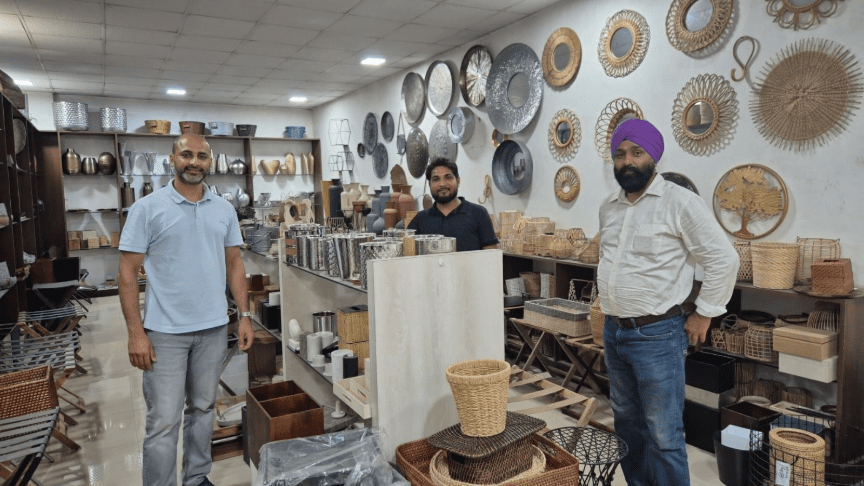
Collaboration is a huge part of the job. We’re lucky to have a very talented CAD artist here on the India team who’s great at translating creative ideas into production-ready designs. The NYC product team has a sharp eye for detail, and their feedback helps guide improvements in everything from materials to finishes. Together, we turn concepts into practical, functional products that still reflect the original design intent.
When timelines, feedback, and production all flow between India and New York, what’s the key to staying in sync?
Clear communication around quotations and production timelines. That’s where we keep everything grounded. If we’re aligned on pricing and timing, the rest usually falls into place.
Out of all the products you’ve worked on, do you have a favorite?
Yes, I do, the Ellsworth flip lid wastebasket! It’s a sleek, functional piece that looks simple at first glance, but it’s a great example of how we balance clean design with durability. However, if there’s a specific look or finish a client is trying to match, we can absolutely customize it to fit their vision.

Let’s talk about quality. What does quality control look like in our India operations?
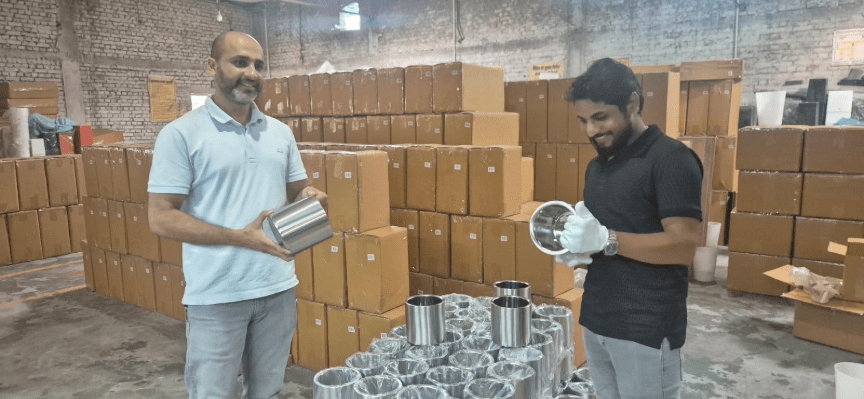
It’s a huge focus for us. Even a small oversight in production can lead to big issues down the line, so we build quality checks into every stage of the process. Making sure everything meets expectations before it leaves the factory is non-negotiable.
When you’re working with artisan-led workshops, what do you notice about how that craftsmanship carries through to the final piece?
It’s a key part of what makes our offerings unique. Handcraftsmanship gives us flexibility, we can produce customized items in both small and large quantities, while also staying in tune with evolving trends. One technique we often use is martele hammering, where each piece is textured by hand using traditional tools. That kind of detailing adds a richness you just don’t get with machine-made products, and it’s something our clients really value and sets us apart.
What are some of the biggest challenges you face in procurement, and how do you manage them?
Short lead times can be tricky, especially when customization is involved. And of course, it’s critical that every product leaving our factories meets our standards and the client’s expectations. Thankfully, I have a great team who helps me manage these challenges and keep everything moving.
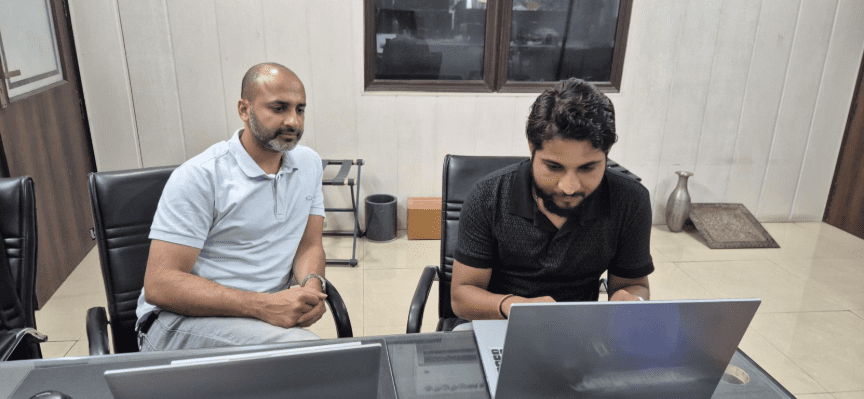
We often talk about our long-term partnerships with factories and artisans. Why do those relationships matter to you?
Because creating a product is a journey, it takes time, trust, and refinement. Without strong, ongoing relationships with our factories and artisans, it would be much harder to reach that level of quality and consistency. These partnerships are what make our work possible and are what other companies usually lack nowadays.
Looking ahead, what are you most excited about when it comes to Paradigm Trends in India?
It feels like we’re on the verge of something big. We’ve been growing steadily, and the prospect of expanding our team and handling even larger volumes of business is really exciting. We’re focusing on explicitly luxury properties. There’s a lot of momentum right now, and I’m proud to be part of it.
Mass customization may be complex, but with the right team, it becomes seamless. For projects that require both craftsmanship and coordination, reach out to [email protected] and explore what’s possible.