
Eco Materials That Make Sense
How Paradigm Trends Approaches Sustainability
Hotels operate on repetition.
Guestrooms turn daily. Housekeeping carts move quickly. Surfaces see water, cleaning agents, luggage, cosmetics, and the occasional glass of wine that did not quite make it to the coaster.
In this environment, sustainability begins with a simple question: which materials actually hold up?
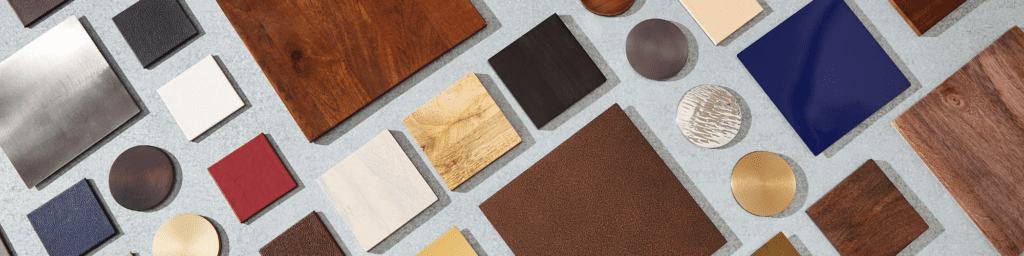
At Paradigm Trends, material selection is not driven by trends or labels. It is driven by performance, longevity, and responsible sourcing. Many of the materials we work with, including mango wood, acacia wood, stainless steel, and glass, offer a rare combination of durability and a responsible lifecycle.
When a product lasts longer and requires fewer replacements, its environmental impact naturally decreases.
In hospitality, durability is sustainability in practice.
Mango Wood
Giving Orchard Wood a Second Life
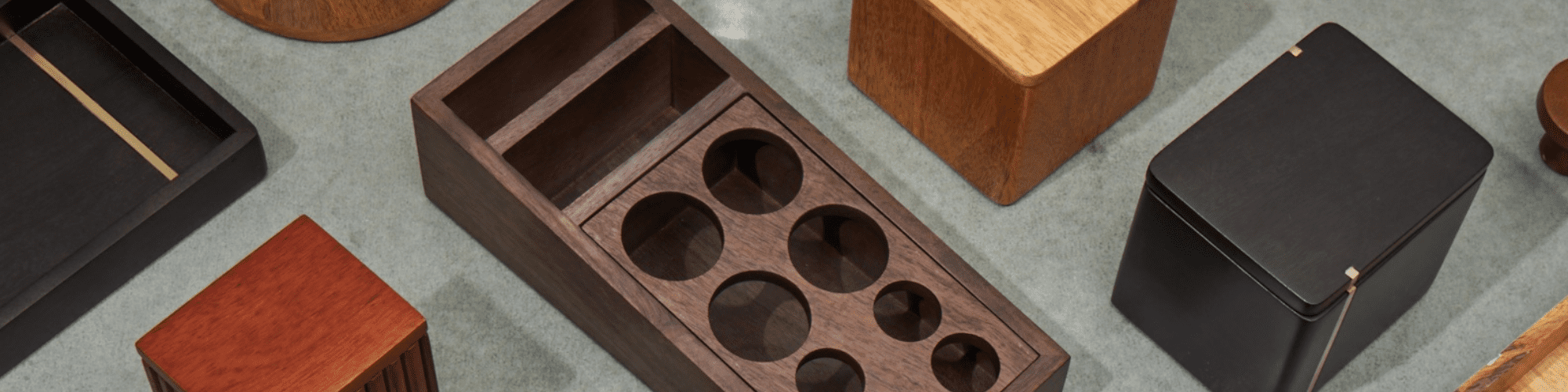
Mango wood is one of the most thoughtful hardwoods used in hospitality manufacturing.
Mango trees are grown primarily for fruit production. Once they reach the end of their productive life in orchards, the wood can be harvested and repurposed rather than discarded. This creates an opportunity to transform a byproduct of agriculture into durable hospitality furnishings and accessories.
The material itself performs well in guestroom environments. Mango wood is dense, stable, and capable of holding detailed fabrication and finishing techniques. Its natural grain variation also allows designers to introduce warmth and organic texture into guestrooms without relying on slow-growing hardwood species.
By working with mango wood, manufacturing partners can extend the useful life of orchard materials while producing pieces built to withstand daily hospitality use.

Acacia Wood
Fast-Growing and Naturally Durable
Acacia is another hardwood that aligns well with responsible sourcing.
The species grows quickly and regenerates efficiently, making it a strong alternative to slower-growing hardwoods often associated with traditional furniture manufacturing. Acacia’s natural density gives it strong resistance to moisture and wear, which is particularly valuable in hospitality environments where surfaces are cleaned frequently.
For hospitality designers, acacia offers a practical balance between sustainability and durability. It maintains structural integrity under repeated handling while delivering a rich, natural finish that works across a range of design aesthetics.
In guestrooms where trays, accessories, and small furnishings are used constantly, this durability matters.

FSC Certification
Responsible Forestry and Traceable Wood Sourcing
Many of the wood materials used in Paradigm Trends products can be sourced with FSC certification, depending on project requirements. Above is our Terra Bath as an example – certification number #N004648.
FSC stands for Forest Stewardship Council, an international organization that sets standards for responsible forest management. When wood carries FSC certification, it means the material can be traced back through a verified supply chain to forests that are managed with environmental protection, biodiversity, and community impact in mind.
For hospitality projects, FSC certification provides an additional level of transparency. It confirms that the wood used in products such as trays, accessories, and furnishings comes from forests that are harvested responsibly and replenished over time.
The certification process also requires chain-of-custody documentation, meaning each step in the supply chain, from forestry to fabrication, is tracked and verified.
Because Paradigm Trends works closely with long-standing manufacturing partners, FSC-certified materials can often be incorporated into projects when required by brand standards, sustainability initiatives, or project specifications.
For designers and procurement teams, this provides the flexibility to align wood selections with broader environmental goals while maintaining the durability and performance expected in hospitality environments.
Responsible sourcing is not only about the material itself. It is about the systems behind how that material is produced.
FSC certification helps provide that assurance.
Stainless Steel
A Material Built for the Long Term
Few materials demonstrate circular potential as clearly as stainless steel.
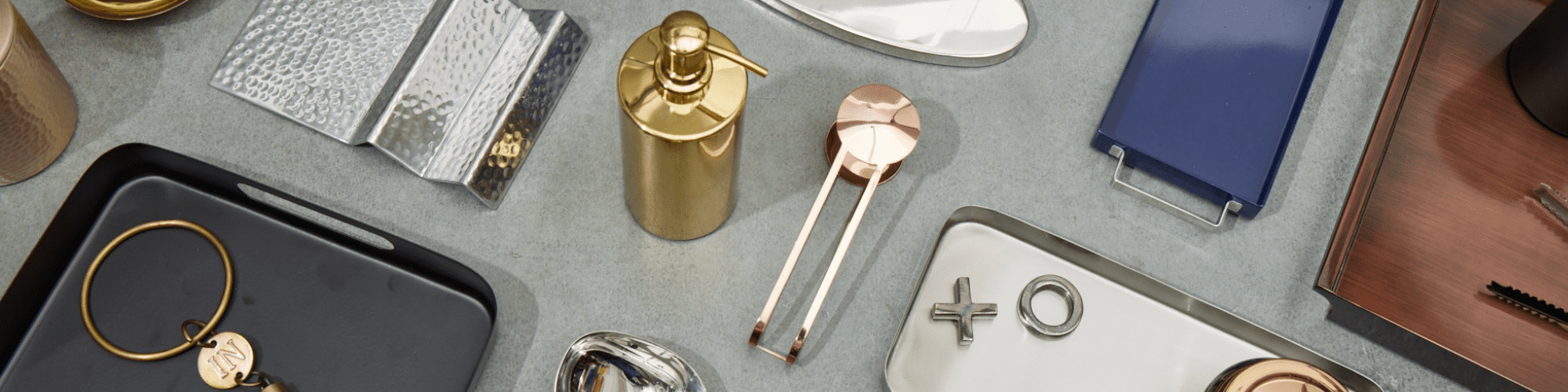
Stainless steel is widely recyclable and can be reprocessed repeatedly without losing strength or quality. Many stainless steel products already contain recycled content, and at the end of their useful lives, the material can be returned to production.
Equally important is its longevity.
High-quality stainless steel resists corrosion, holds its finish, and performs reliably under the repeated cleaning cycles common in hotels. This durability significantly extends product lifespans compared with lower-grade metals or coated alternatives.
In hospitality environments where replacement cycles carry both financial and environmental costs, materials that last longer create a measurable impact.
Glass
Clean, Durable, and Infinitely Recyclable
Glass has long been valued in hospitality for its clarity and resilience.
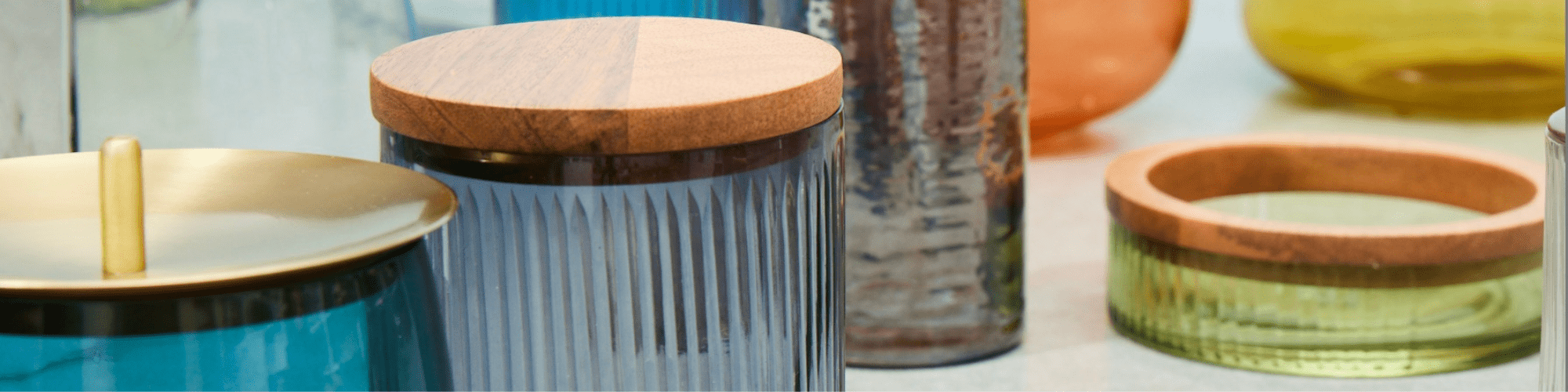
Produced primarily from natural materials such as sand, soda ash, and limestone, glass can be recycled indefinitely without losing purity. When recycled, it also requires less energy to produce compared with manufacturing entirely new glass.
From an operational perspective, glass performs well in guestrooms and bathrooms where hygiene and maintenance are priorities. It resists staining, withstands repeated cleaning, and maintains its appearance over time.
Unlike many synthetic materials, it does not degrade or break down into microplastics.
For hospitality territories where single-use plastic bottles are banned, glass remains one of the most reliable material choices available.
Sustainability Through Longevity
In hospitality design, sustainability often comes down to lifespan.
A product that performs reliably for years requires fewer replacements, fewer shipments, and fewer manufacturing cycles. The environmental impact decreases naturally when materials are chosen for durability from the start.
This philosophy guides many of the materials used across Paradigm Trends collections. Dense hardwoods, stainless steel fabrication, and glass components are selected not only for their appearance but for their ability to perform under real hospitality conditions.
Guestrooms are demanding environments. Materials must withstand moisture, cleaning chemicals, constant handling, and rapid room turnover.
When products continue performing through those conditions, sustainability becomes less about marketing language and more about operational reality.
A Material-Driven Approach to Hospitality
For over four decades, Paradigm Trends has worked closely with global manufacturing partners to produce hospitality accessories and furnishings designed for long-term performance.
Material selection remains one of the most important decisions in that process.
By prioritizing renewable woods, recyclable metals, and durable materials such as glass, we aim to create products that support both responsible sourcing and the operational needs of hotels, resorts, and hospitality spaces worldwide.
Because in hospitality, the most sustainable product is often the one that simply keeps working.