
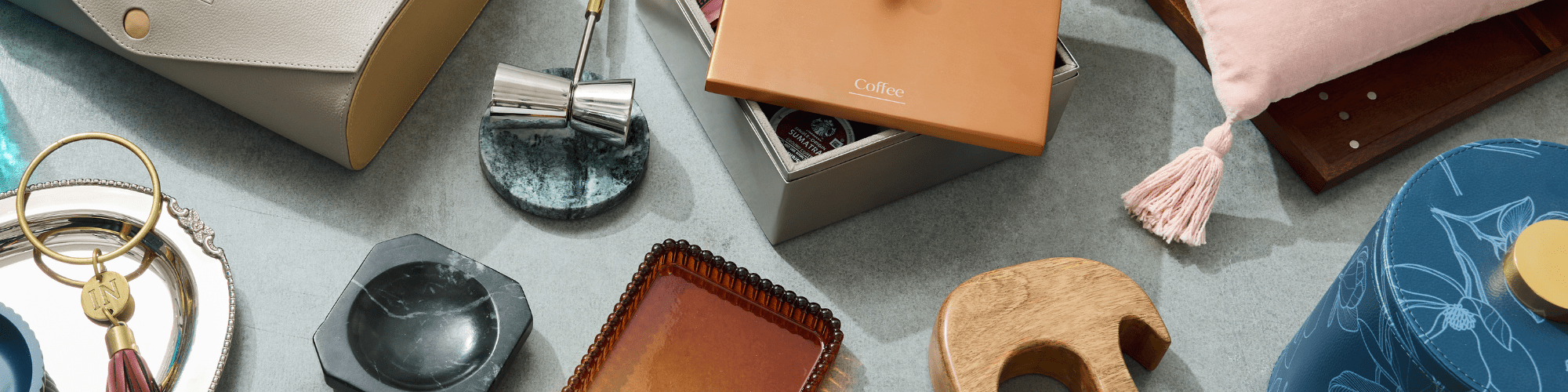
Luxury hospitality is recalibrating.
The guestroom is no longer a pause between experiences. It is the experience. In 2026, hotels, resorts, and casinos are designing environments that feel like private residences, member clubs, wellness retreats, and executive lounges all within a single suite.
But this shift is not aesthetic alone. It is operational. Financial. Strategic.
Here is where hospitality design trends are heading in 2026:
1. The Private Club Hotel Effect
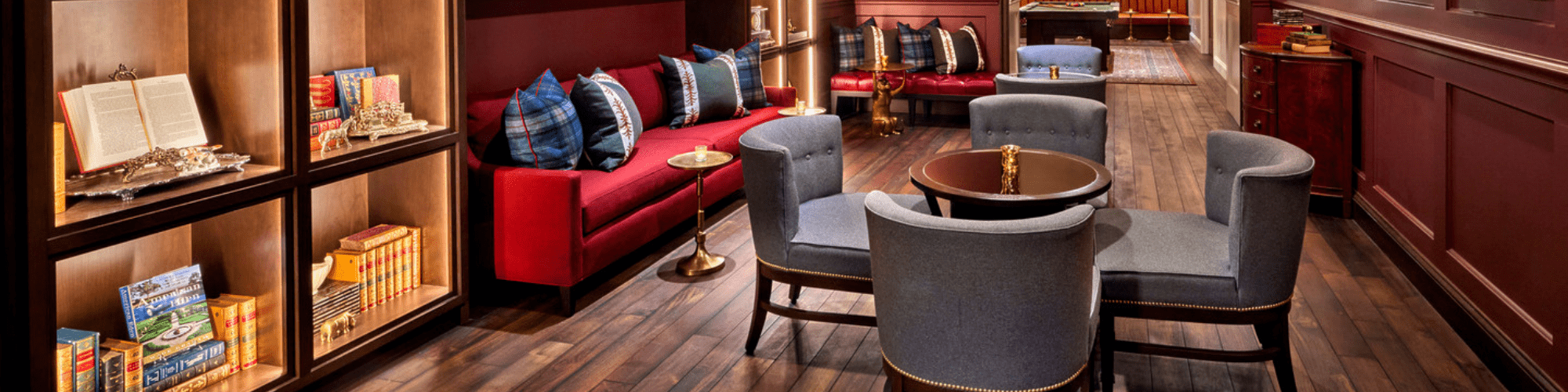
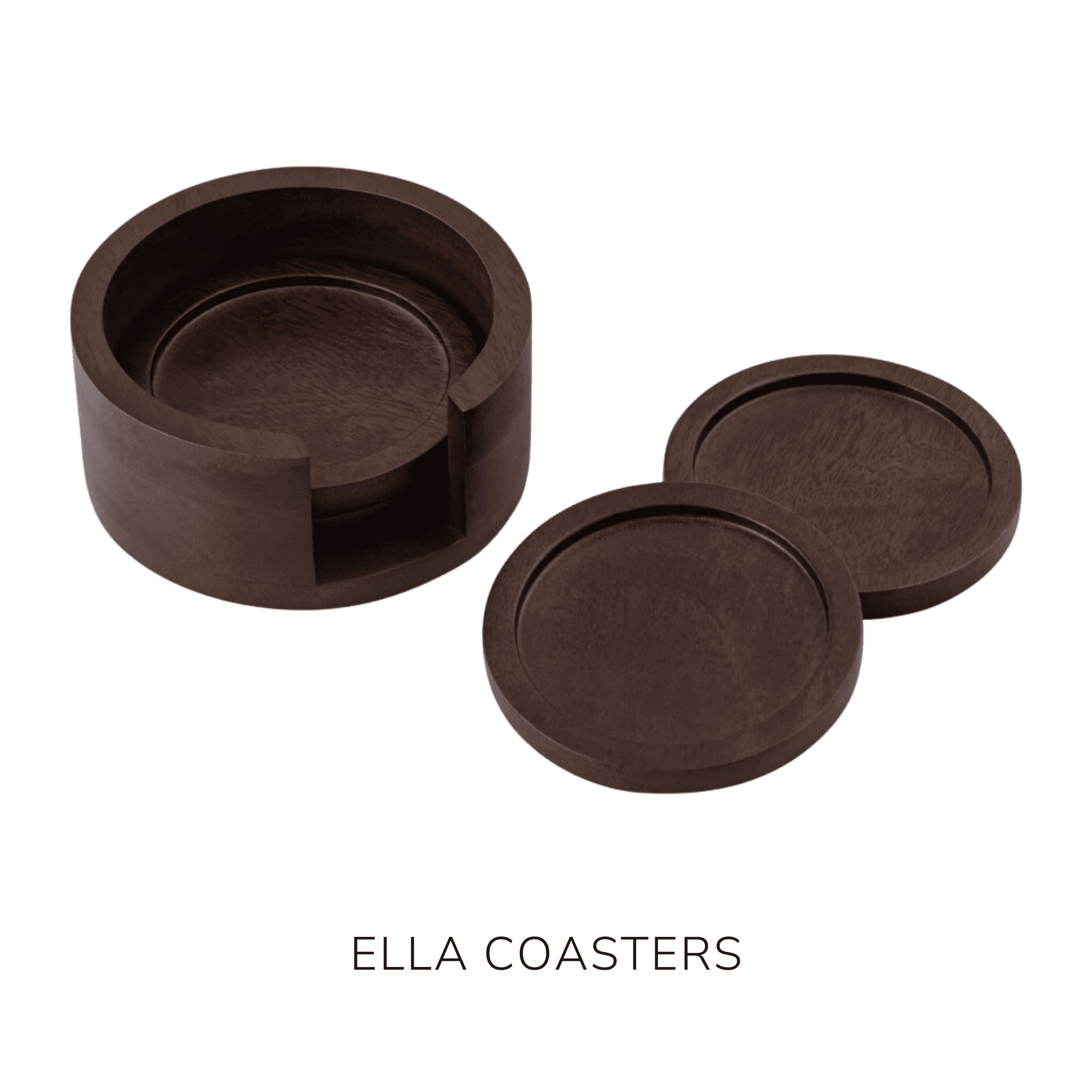
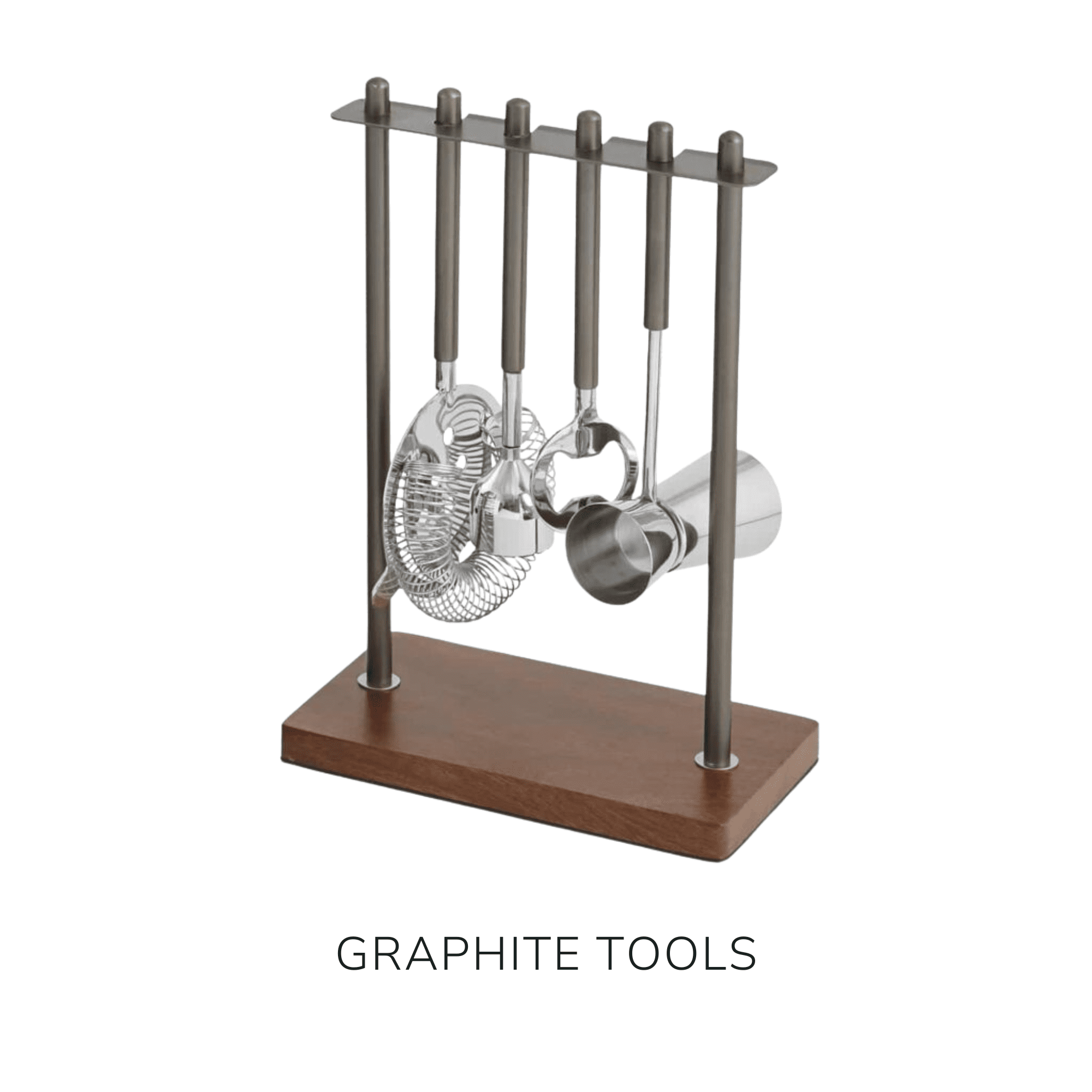
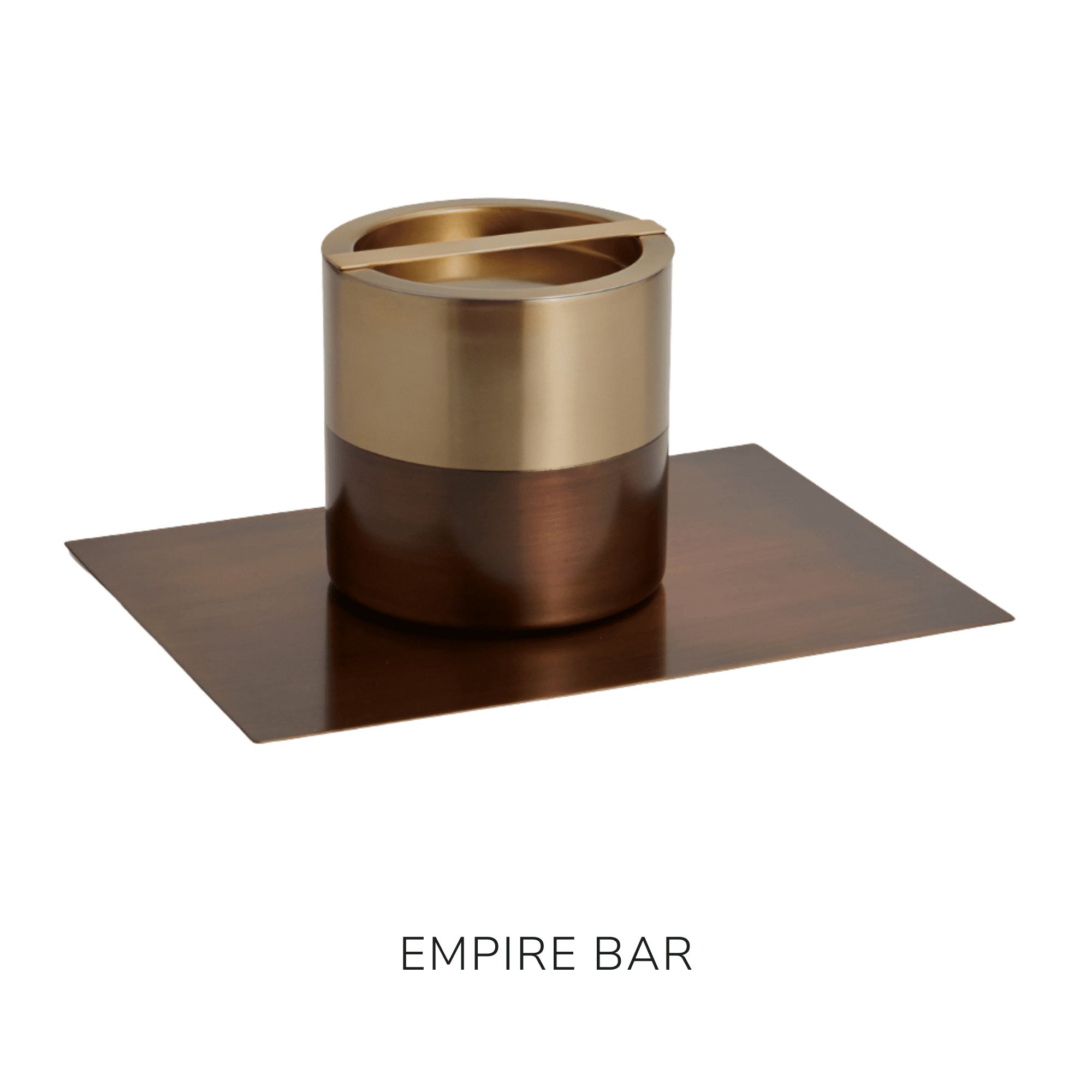
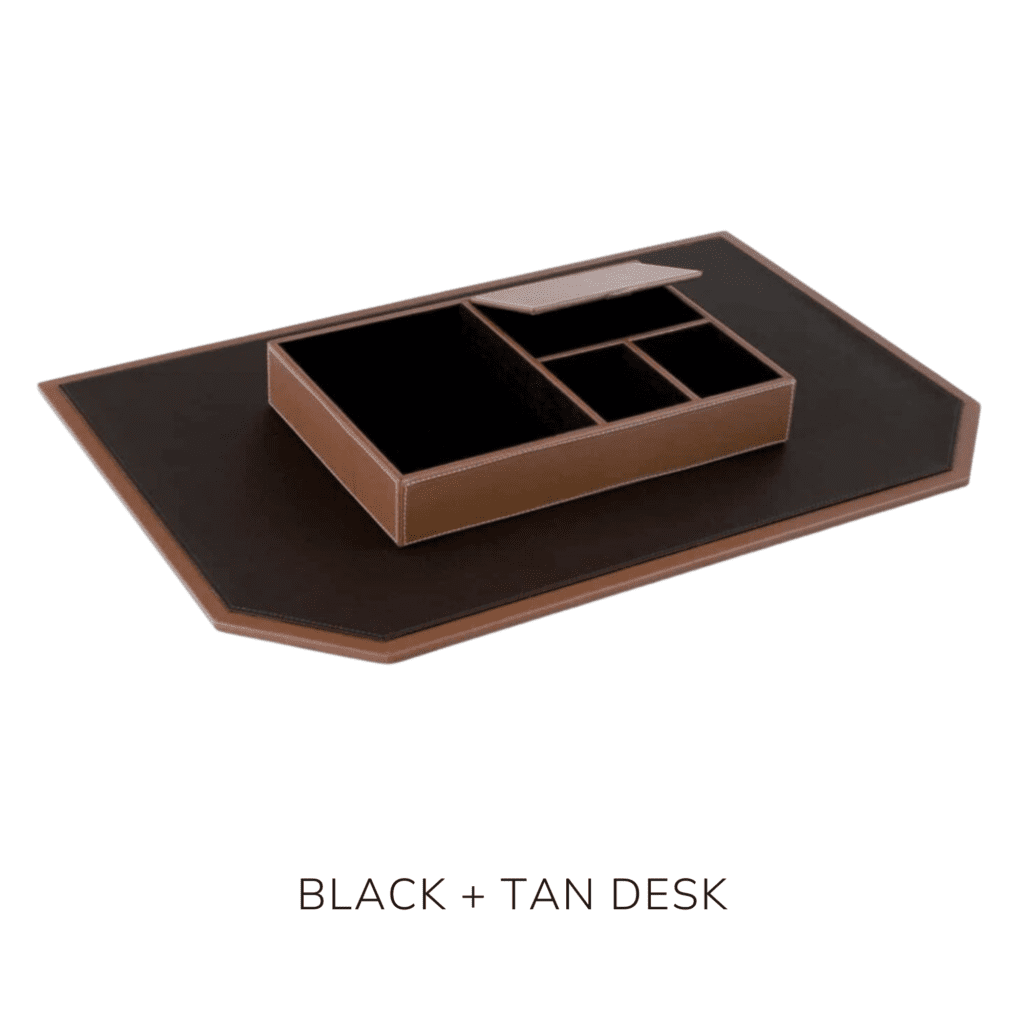
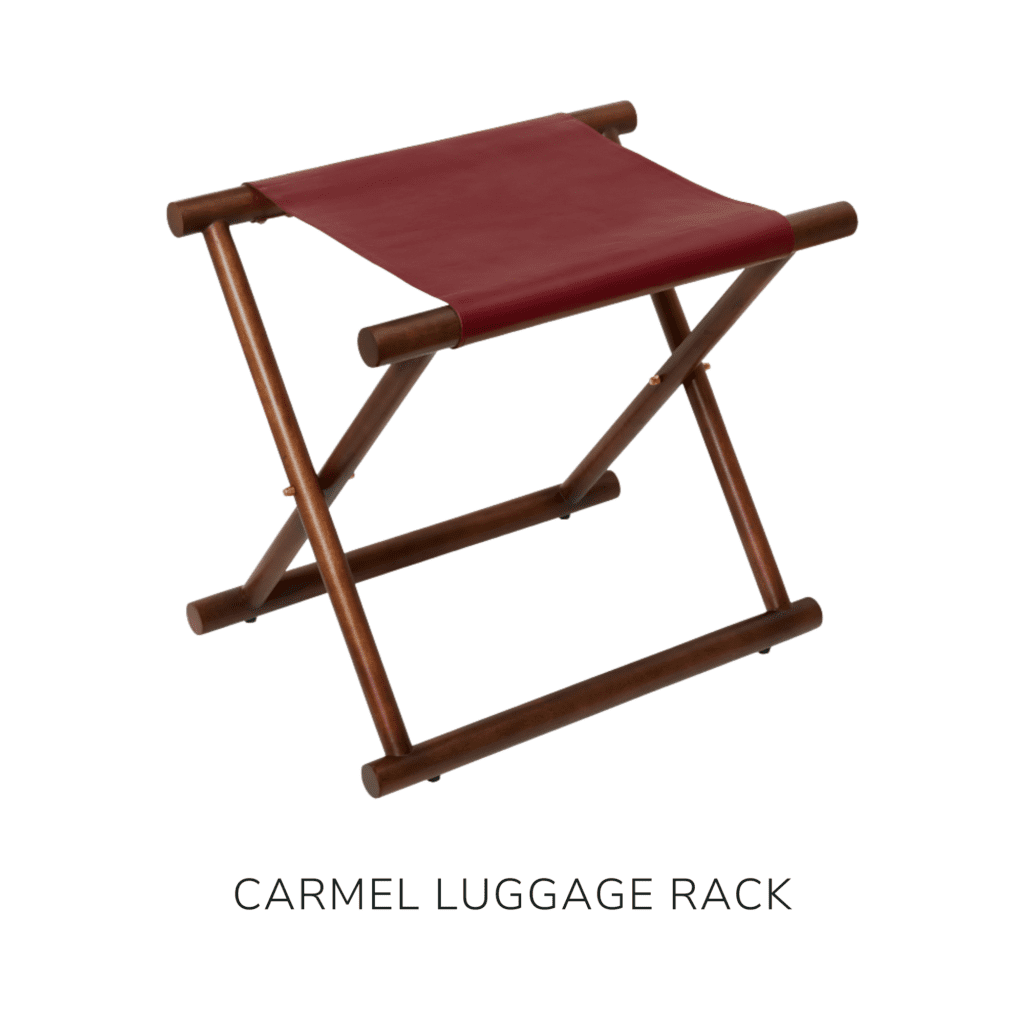
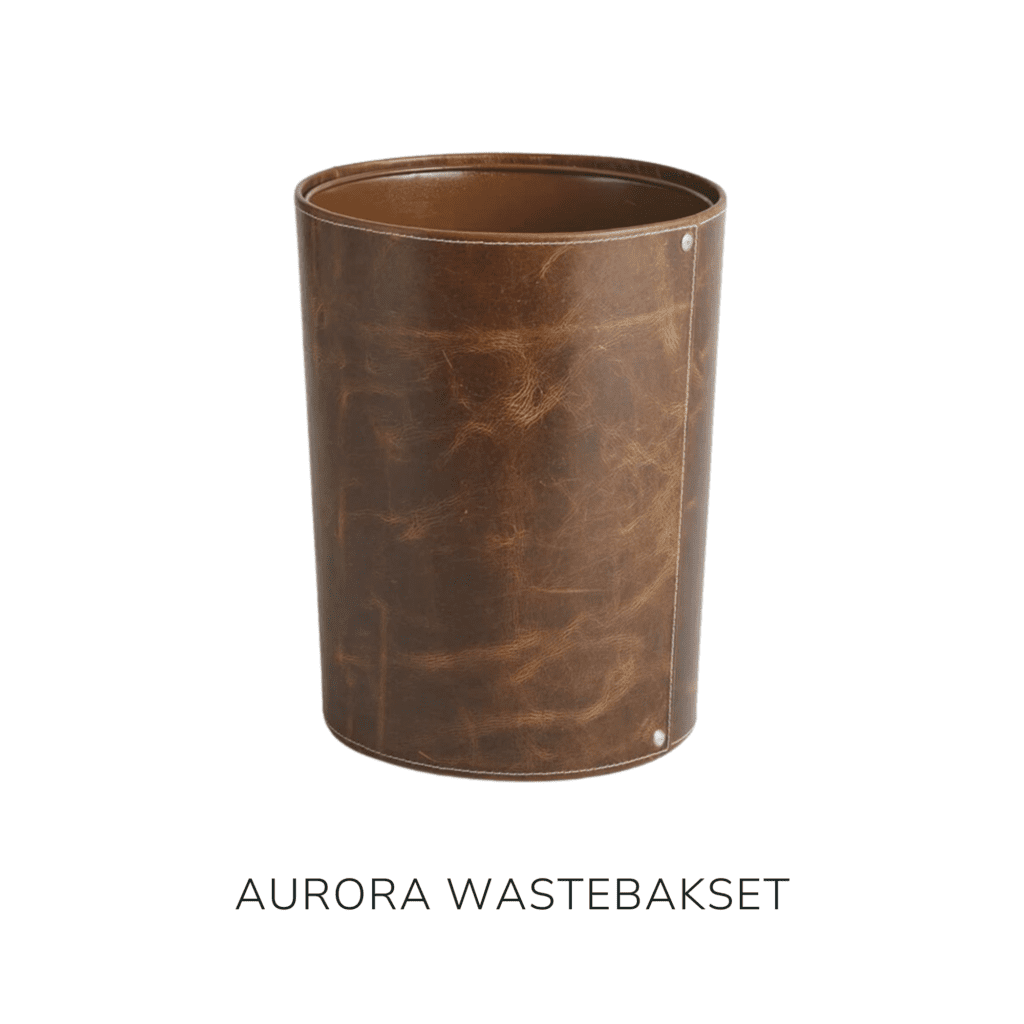
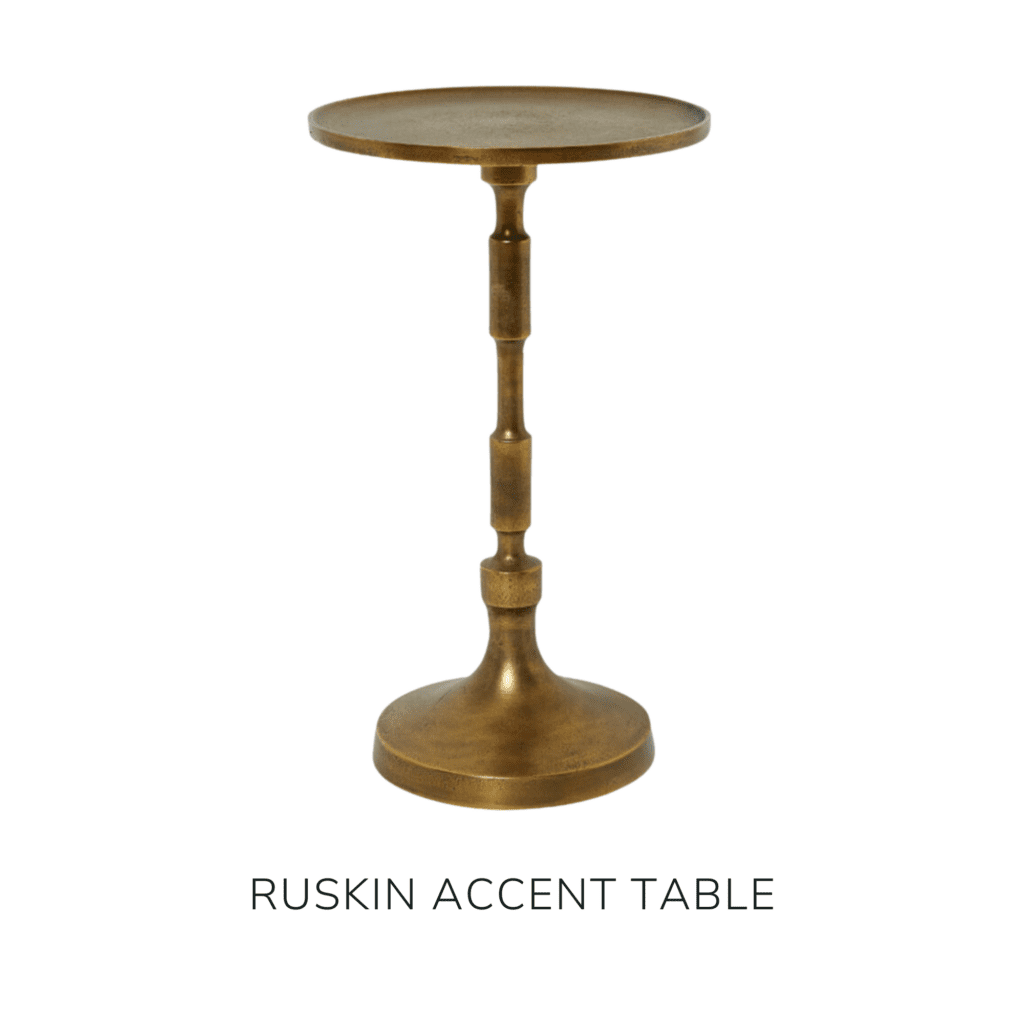
Private member clubs have influenced the language of luxury for years. In 2026, that influence is shaping entire hotel identities.
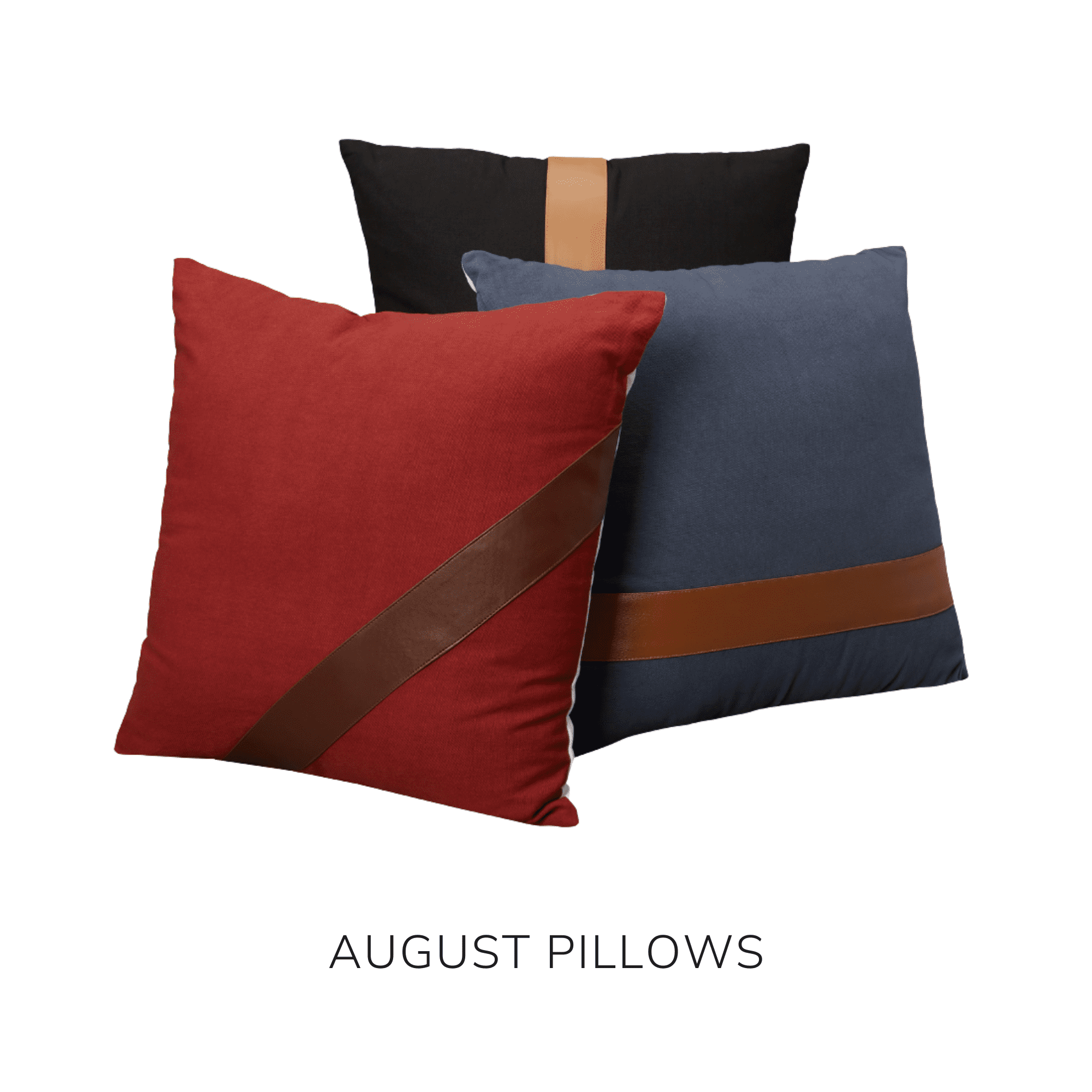
Guests are gravitating toward properties that feel curated, discreet, and layered. Spaces feel intentional rather than transactional. Materials are tactile. Bars feel residential. Guestrooms feel like apartments designed for conversation rather than turnover.
Operationally, this means furniture and accessories are used differently. Coffee trays become permanent beverage stations. Ice buckets live beside curated glassware. Bath environments feel more spa-like and less standardized.
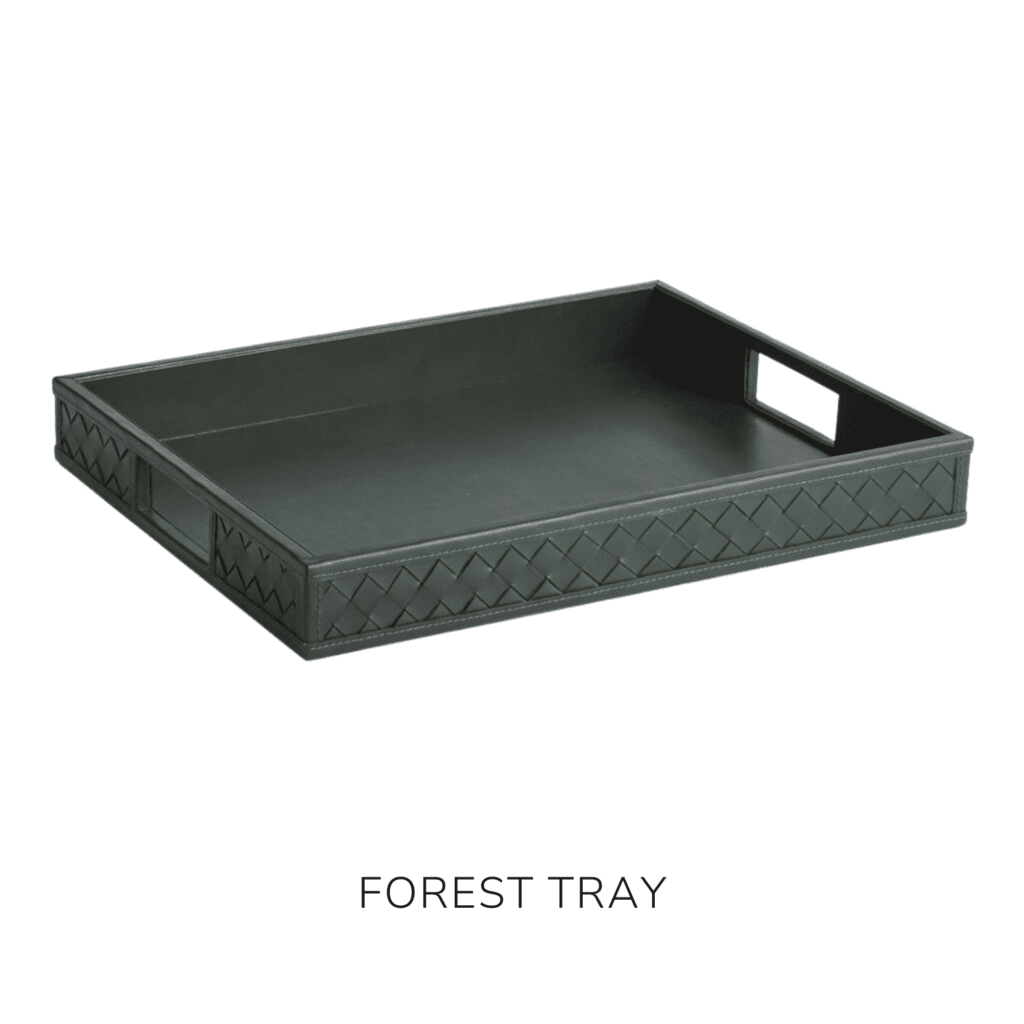
The details in these rooms must support that narrative. A leather-wrapped tray cannot look fatigued after a season. A marble bath accessory cannot feel ornamental if it chips under real use. Materials must communicate permanence.
Luxury is now layered, not minimal.
2. Luxury Suite Design Trends for Hosting
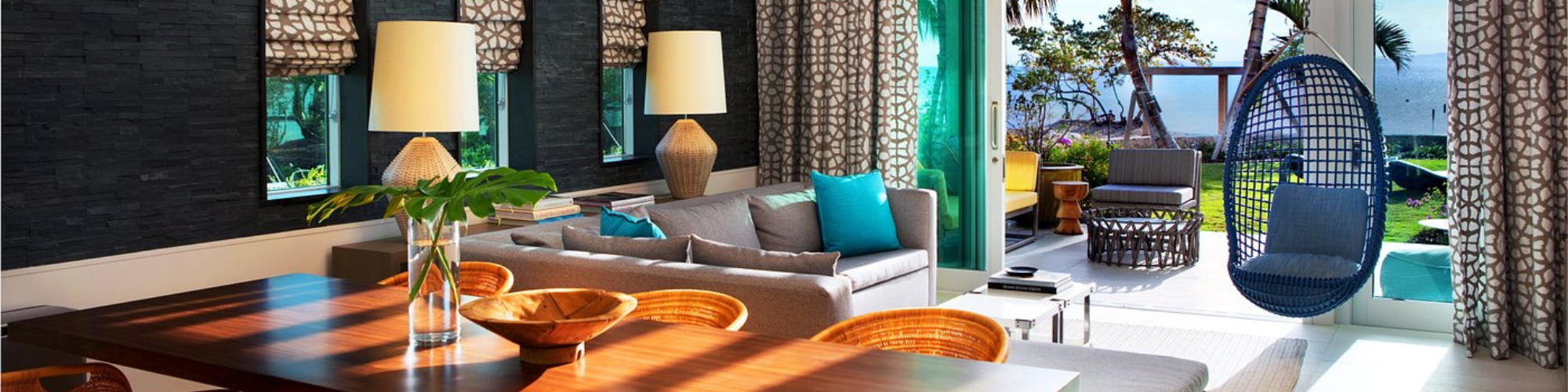
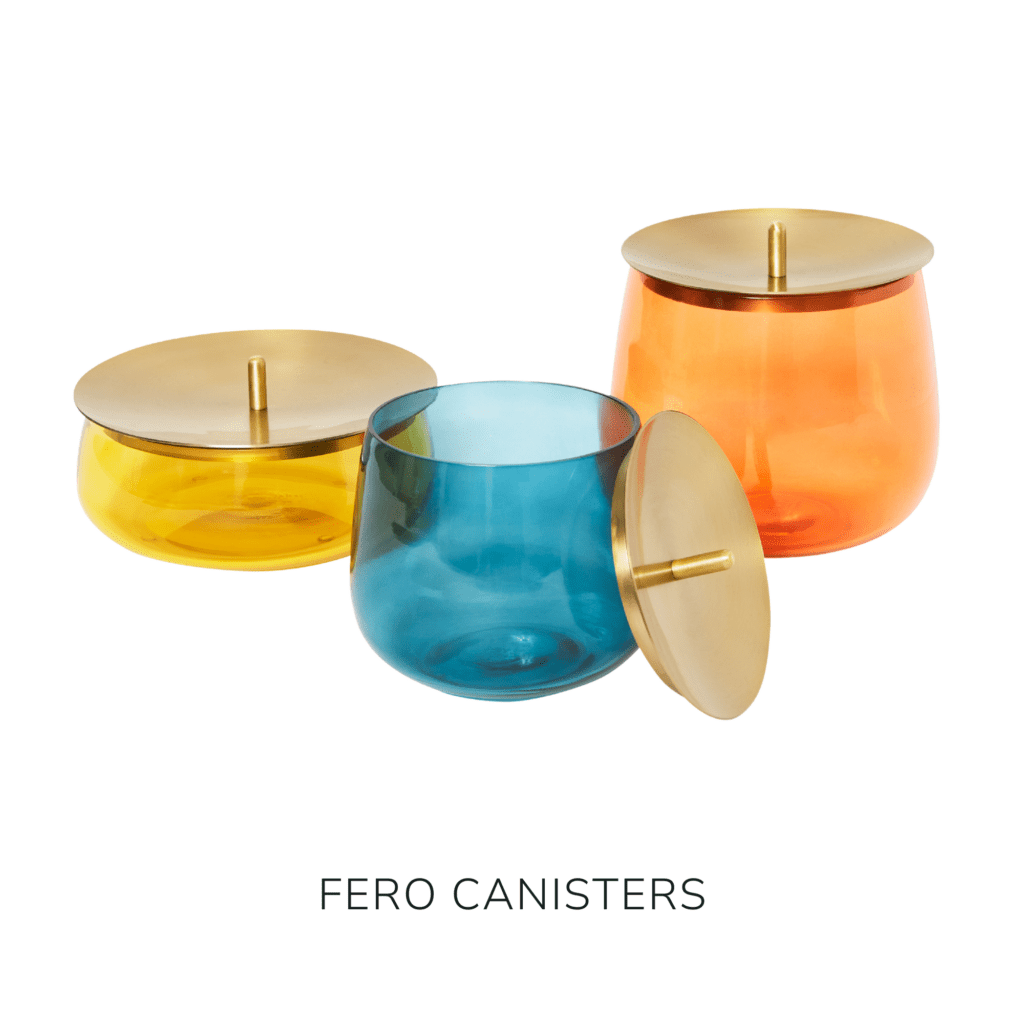
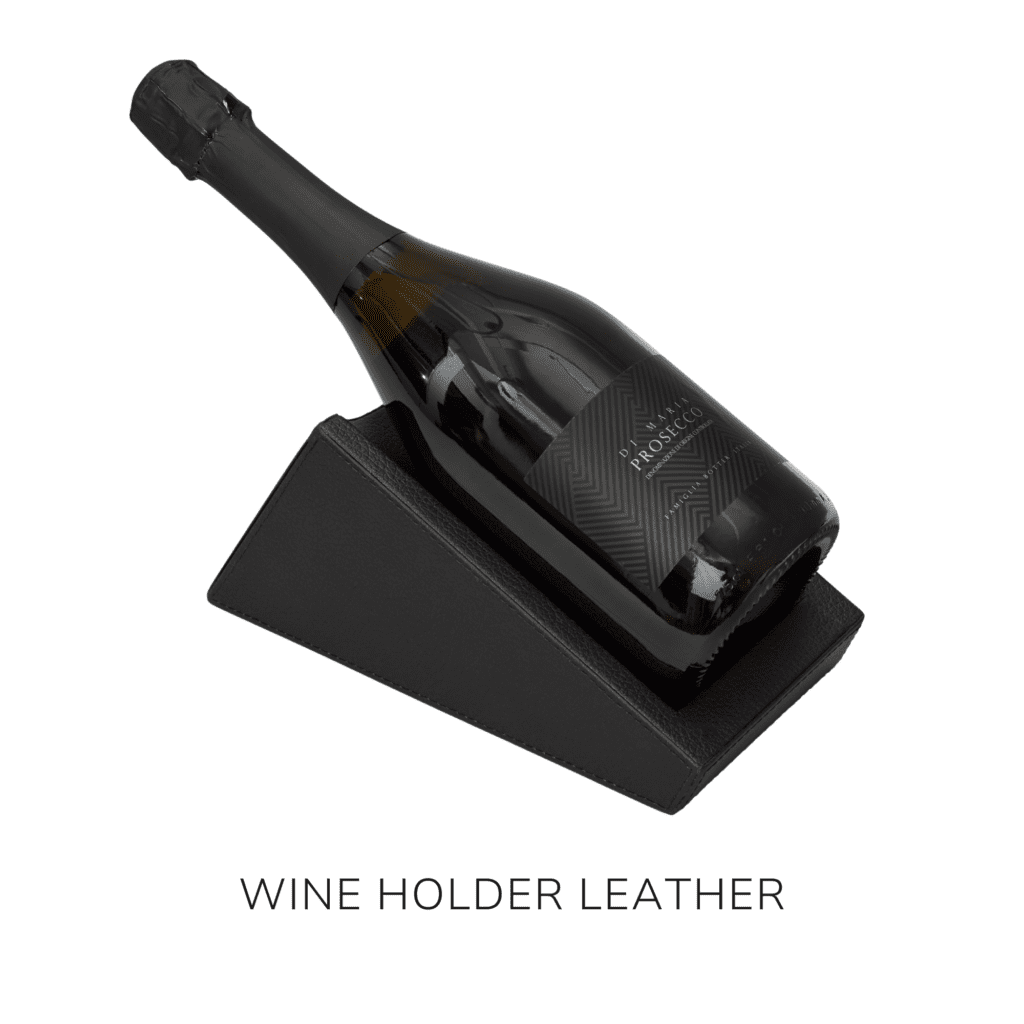
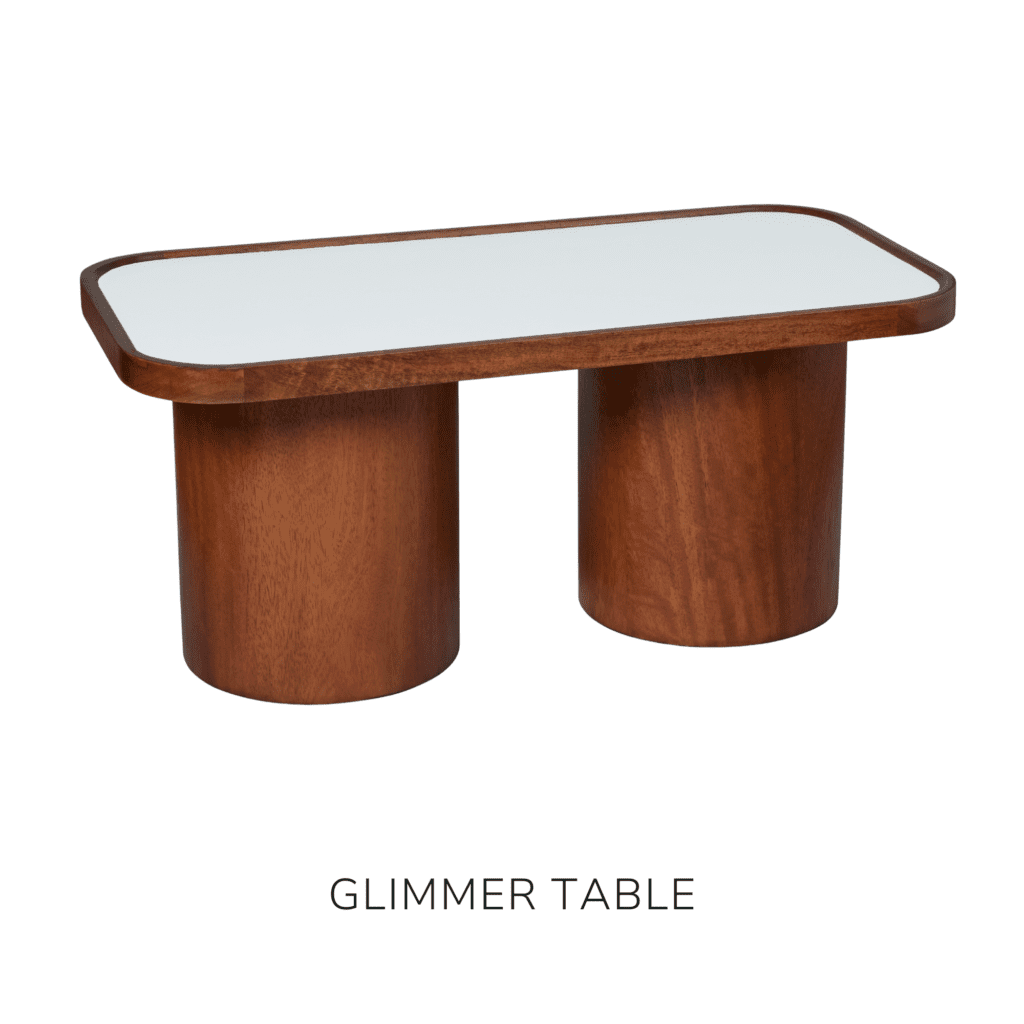
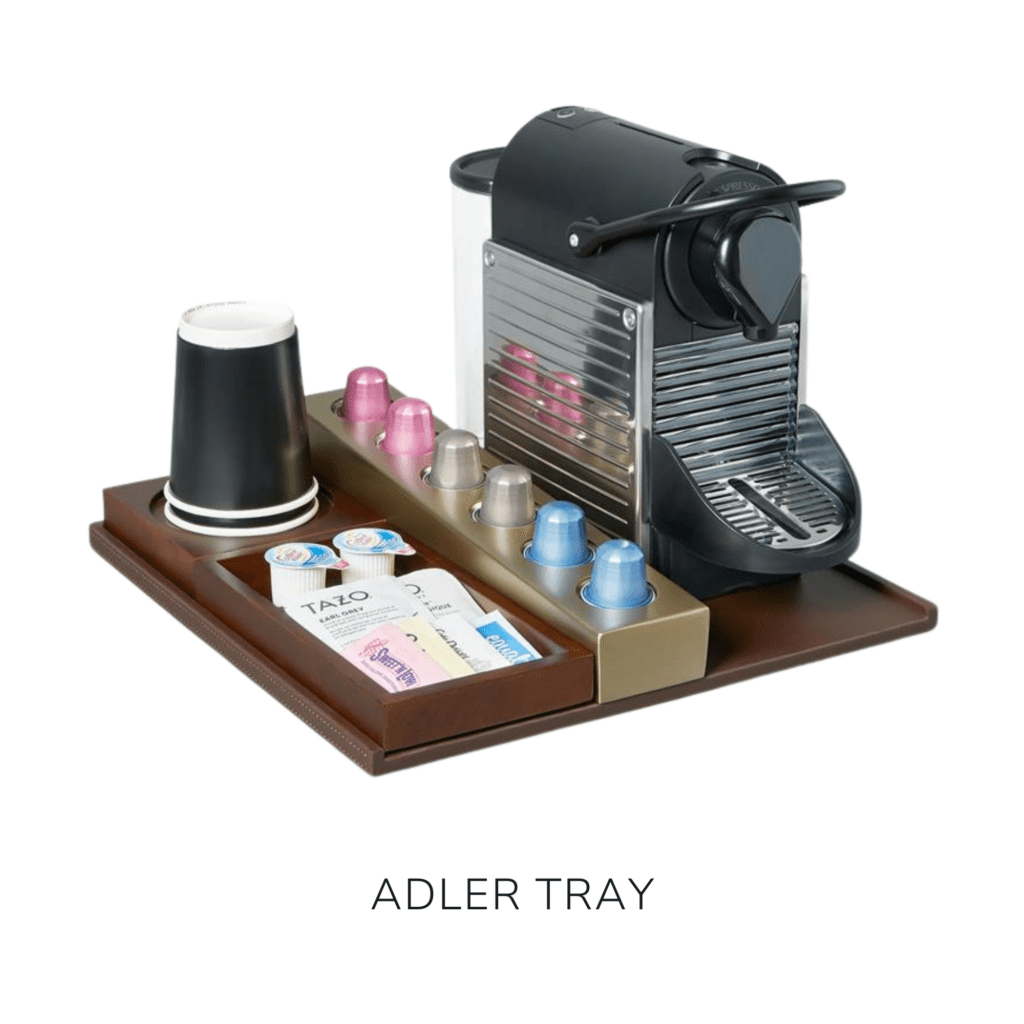
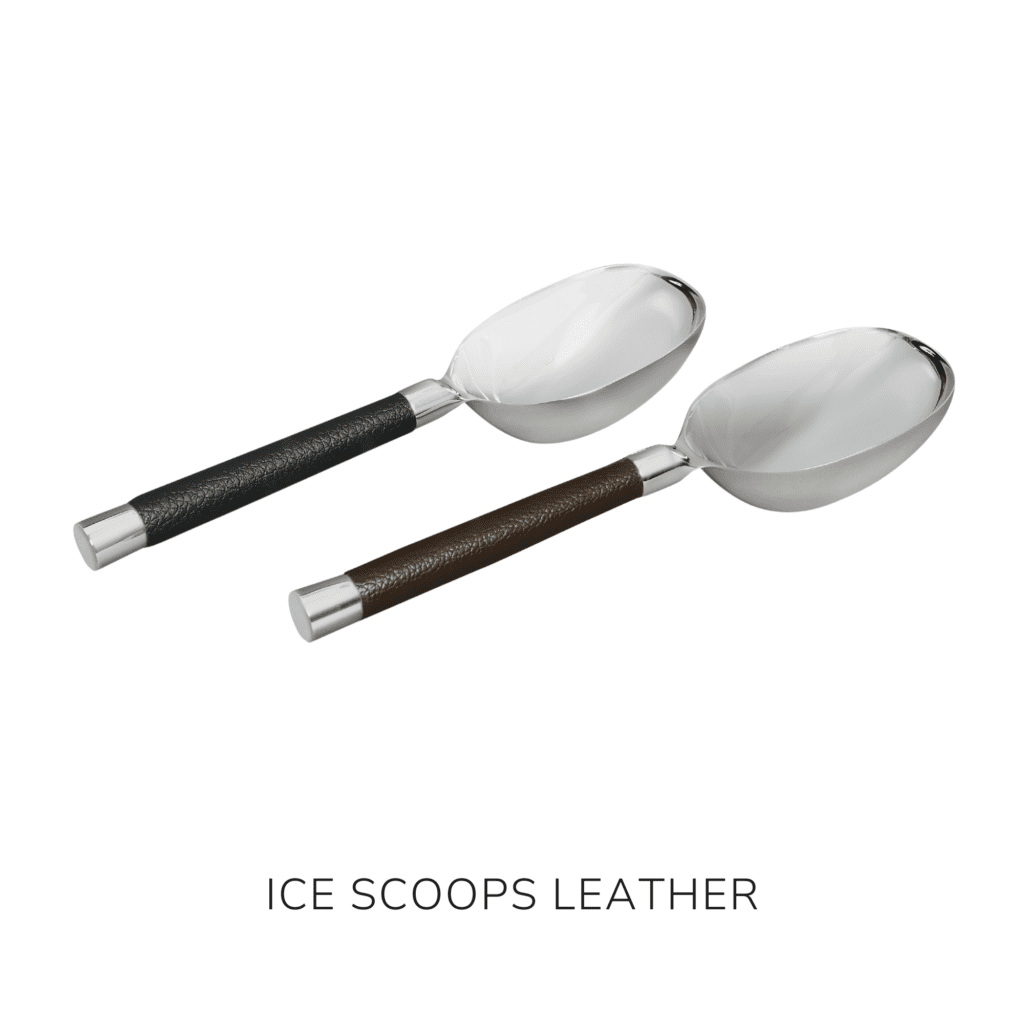
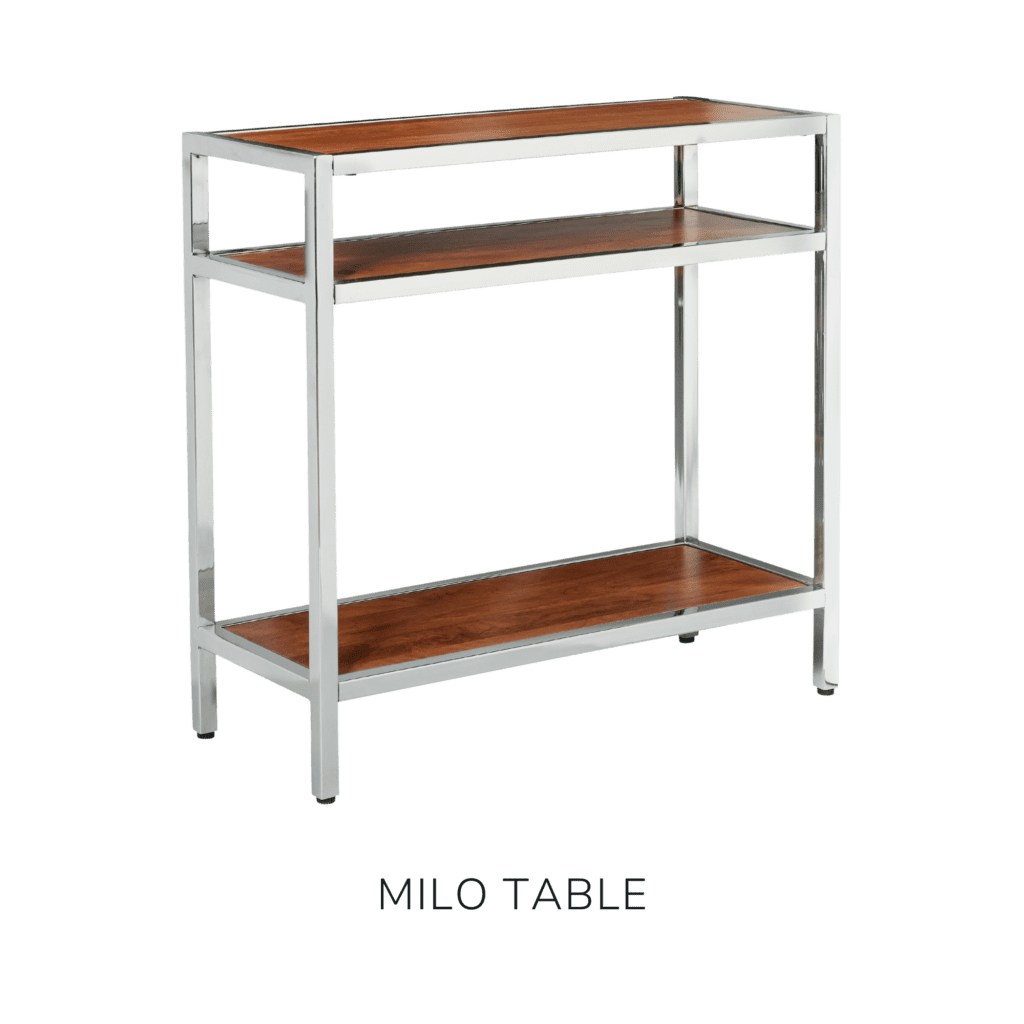
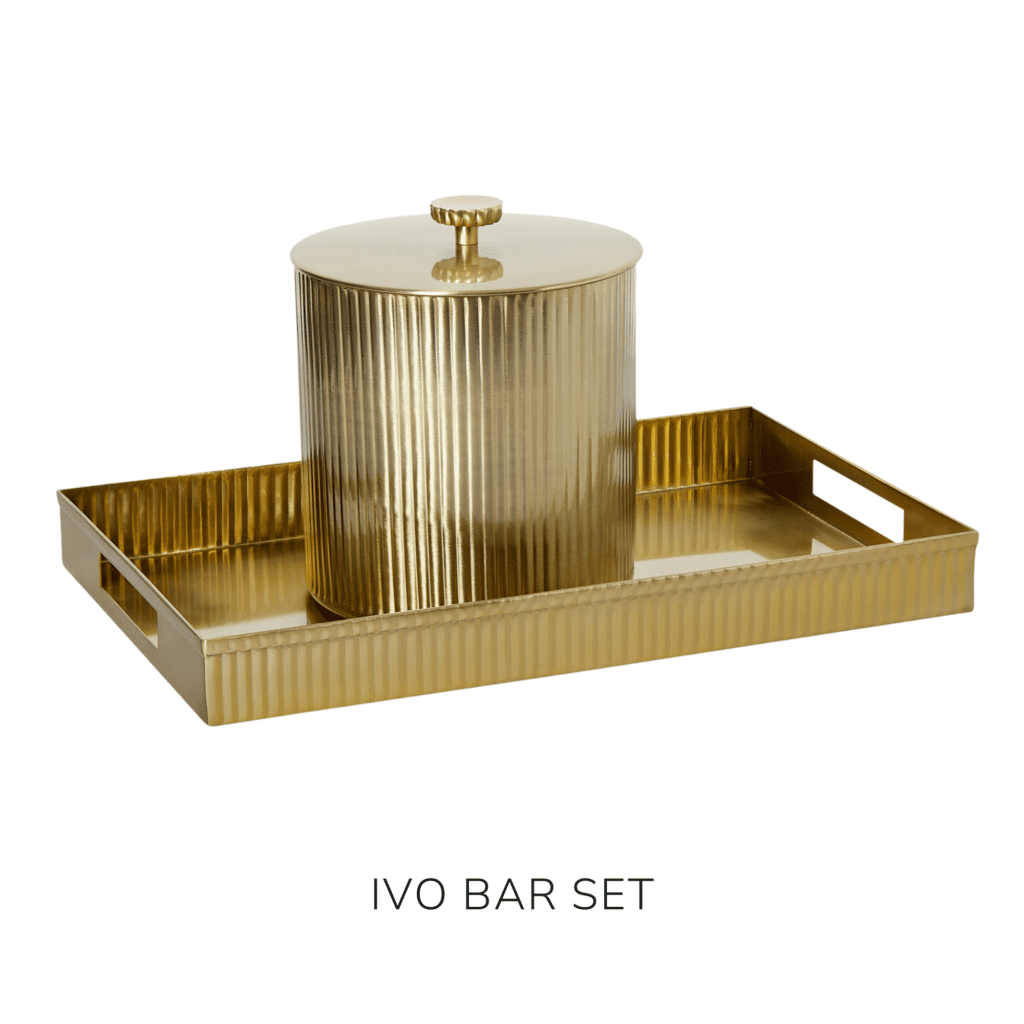
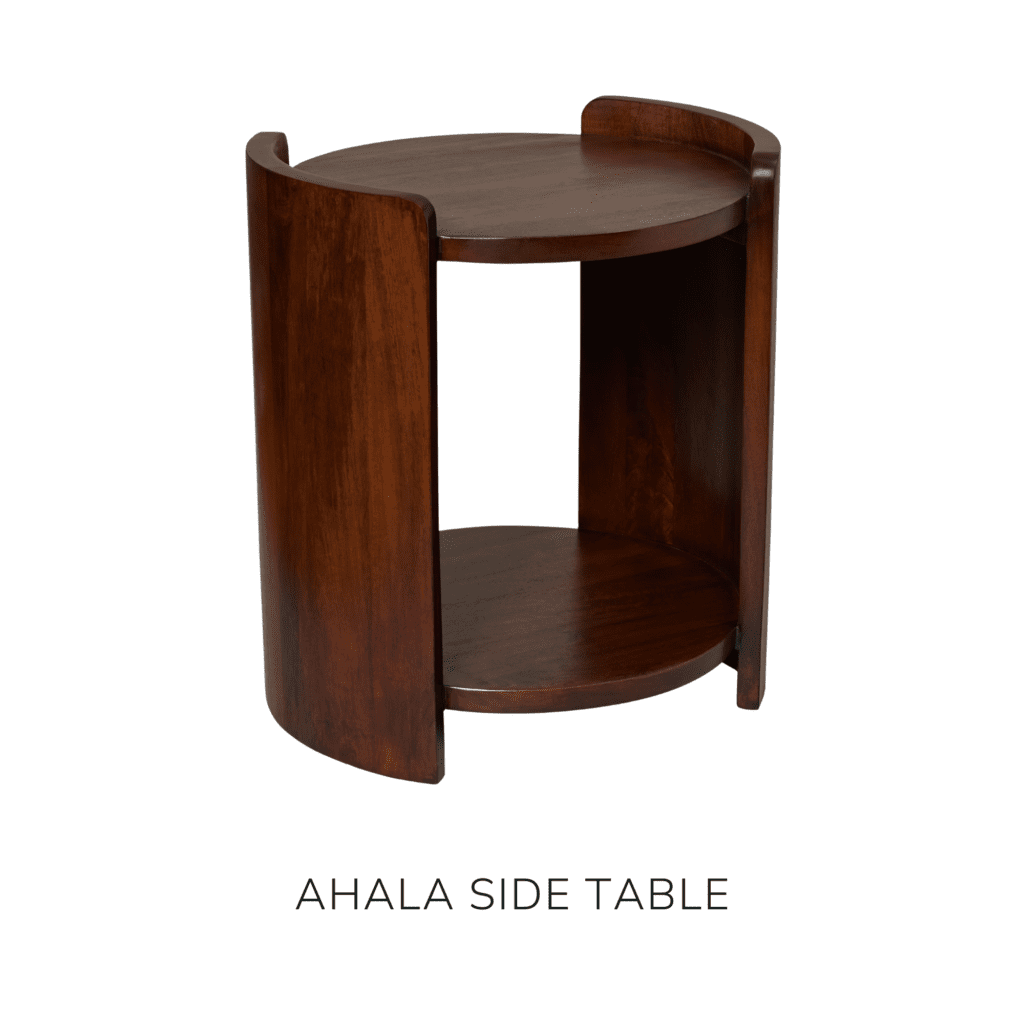
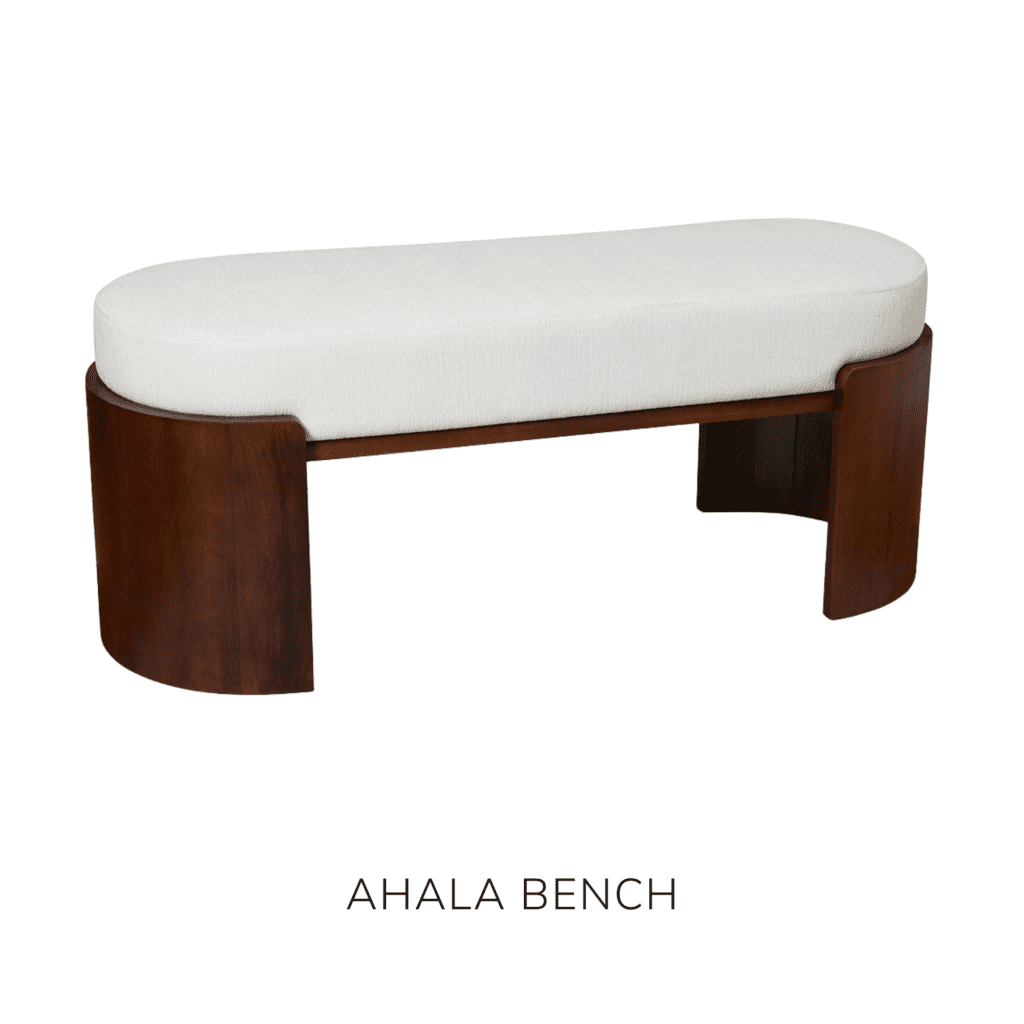
Large suites are not new. Their purpose is though.
In 2026, we are seeing layouts designed to transform throughout the day. Morning workspace. Afternoon lounge. Evening hosting environment. Bridal prep room. Executive meeting space.
Furniture moves. Surfaces multitask. Storage becomes more intentional. Presentation matters because multiple guests interact with the same environment.
This has implications beyond layout. Accessories must scale with the room. A standard guestroom waste solution feels undersized in a 1,200 square foot suite. A minimal coffee setup feels under-considered in a space meant to host.
Luxury suites demand proportionality. They demand pieces that hold visual weight.
When suites host, OS&E and FF&E become visible, and these details must feel deliberate.
3. Hotel Suites Designed for Wellness
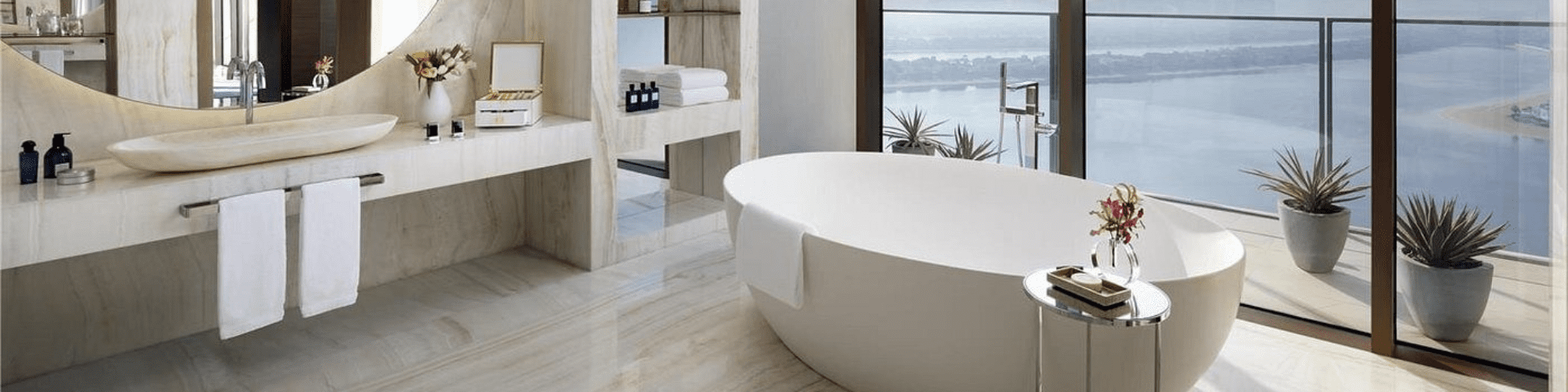
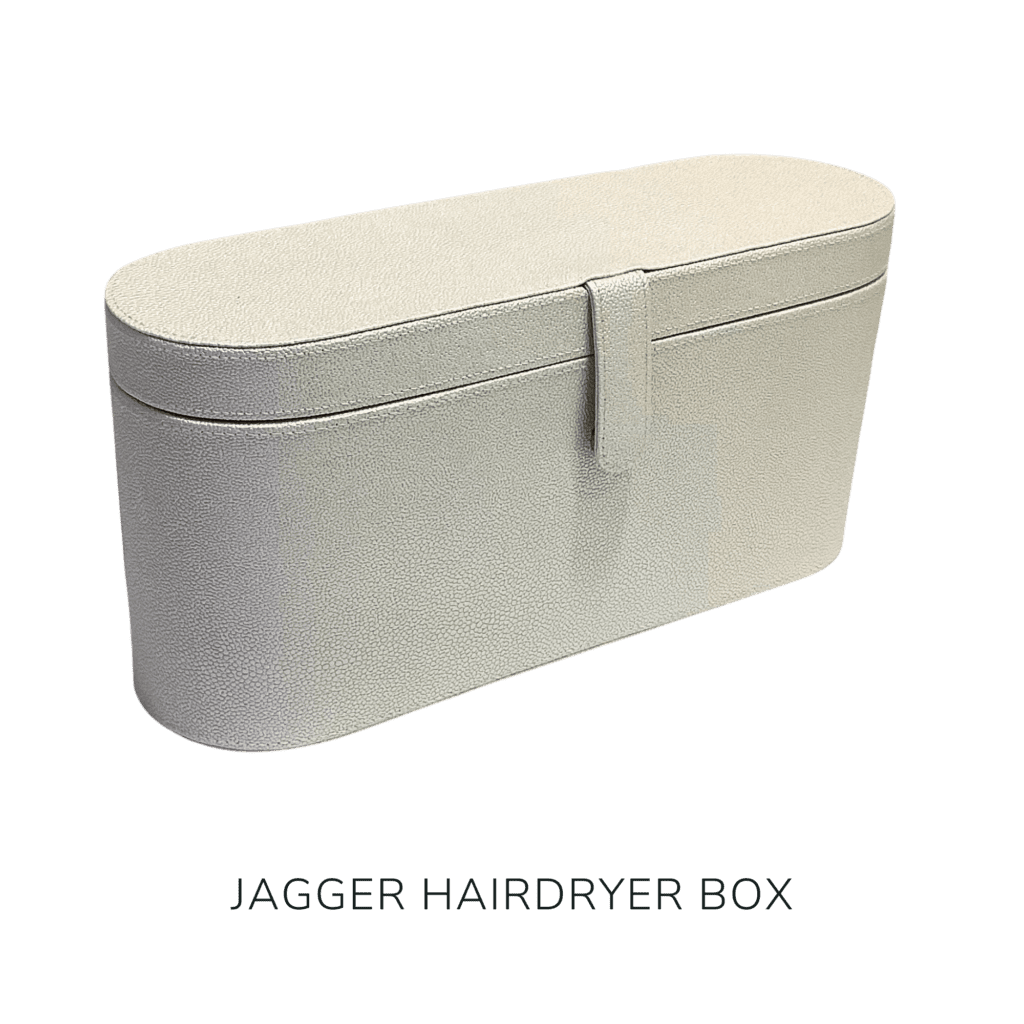
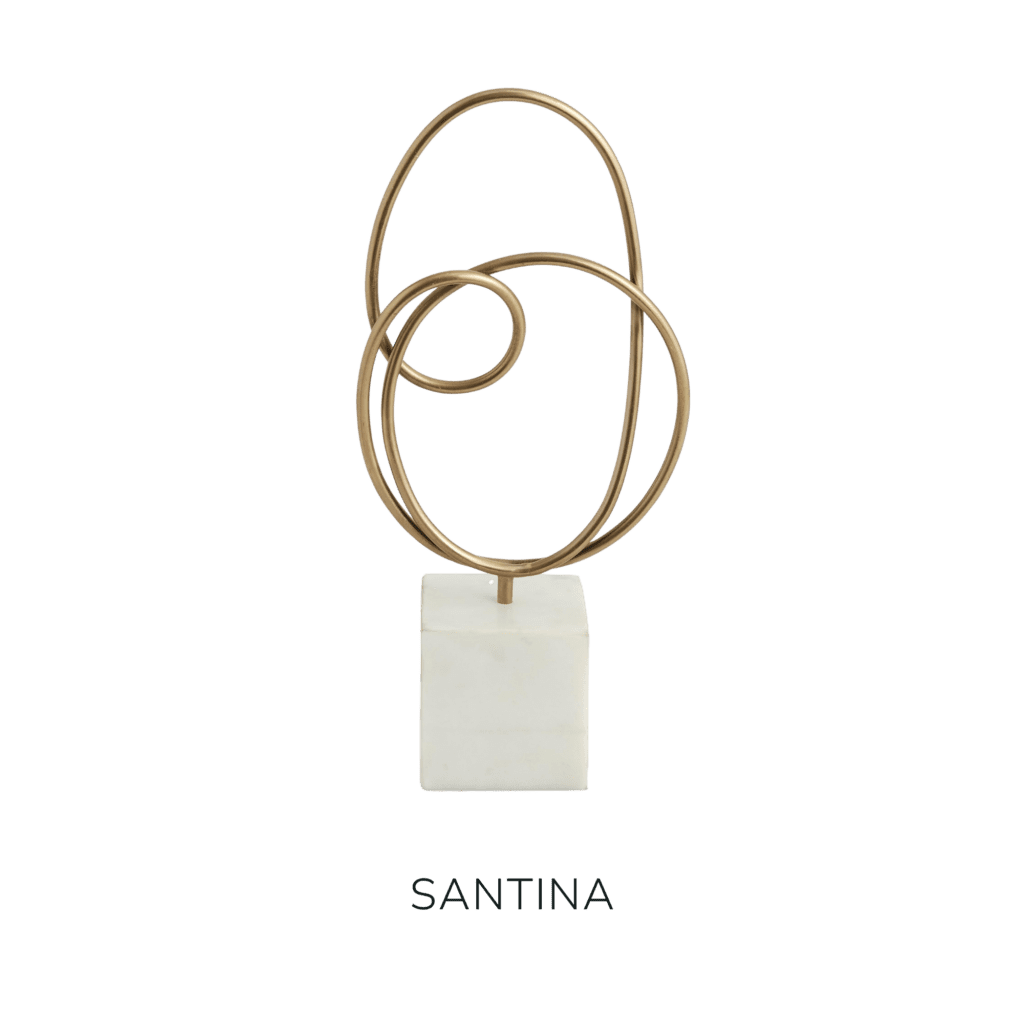
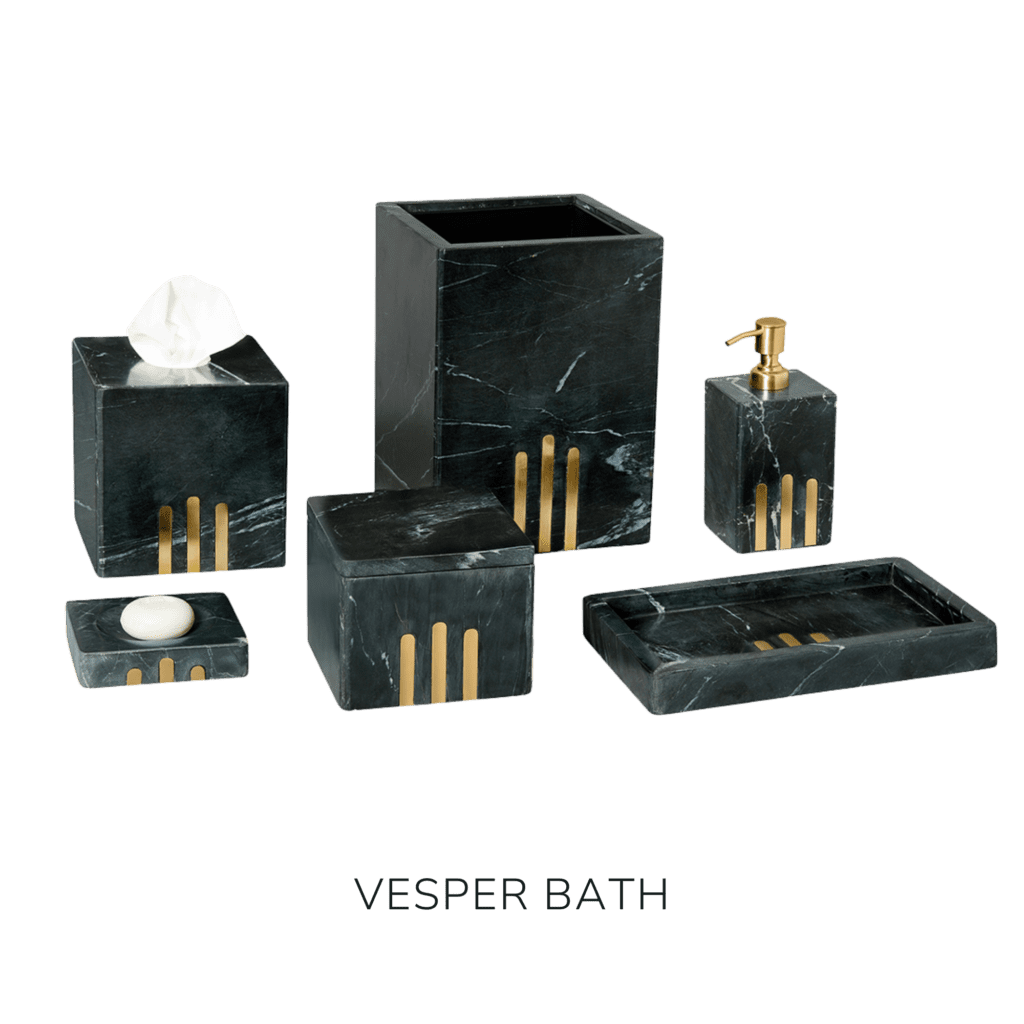
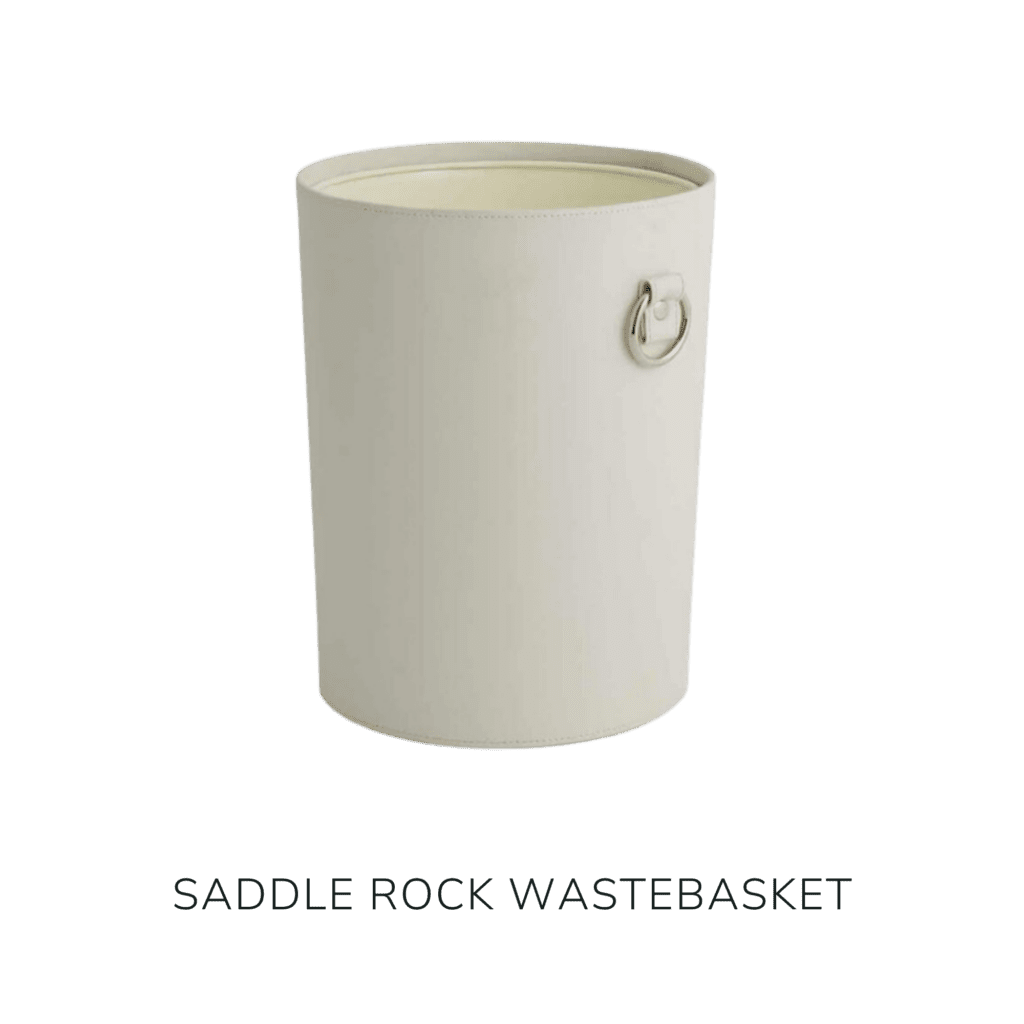
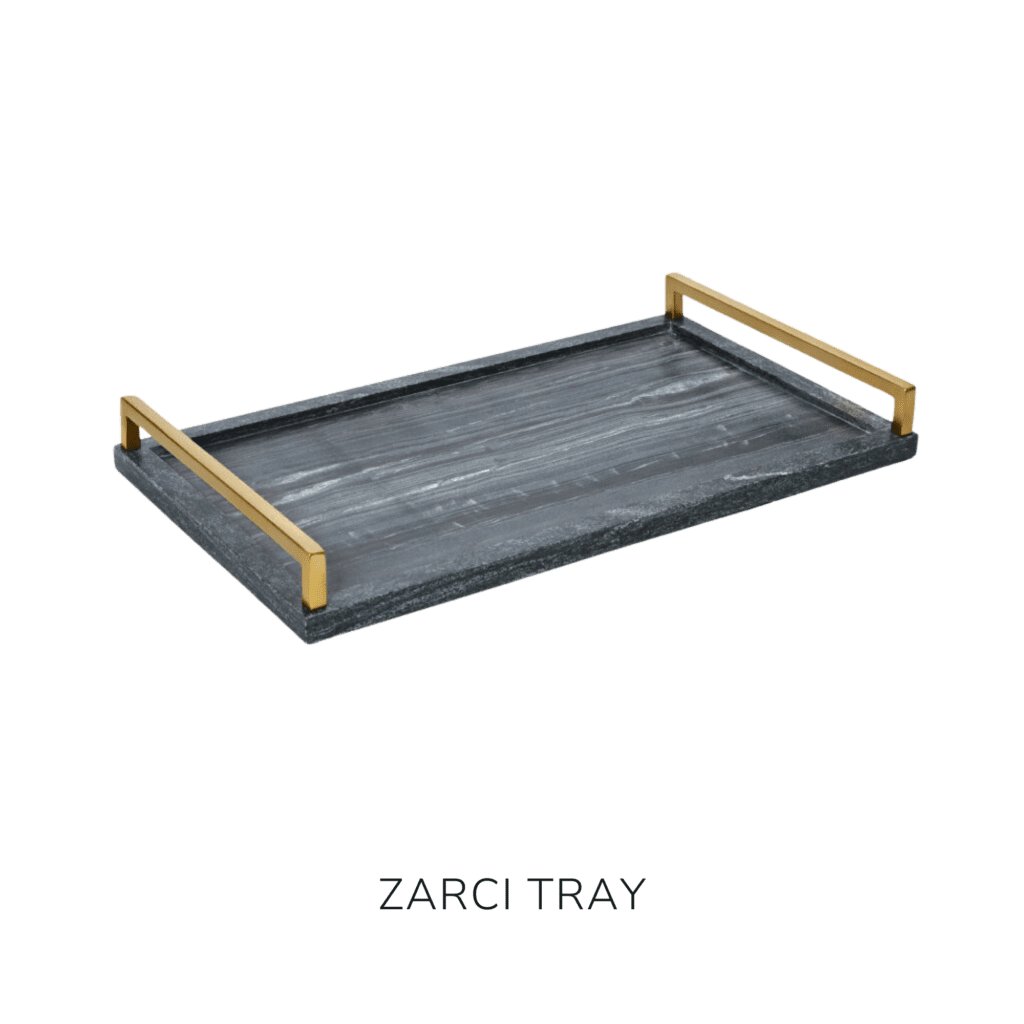
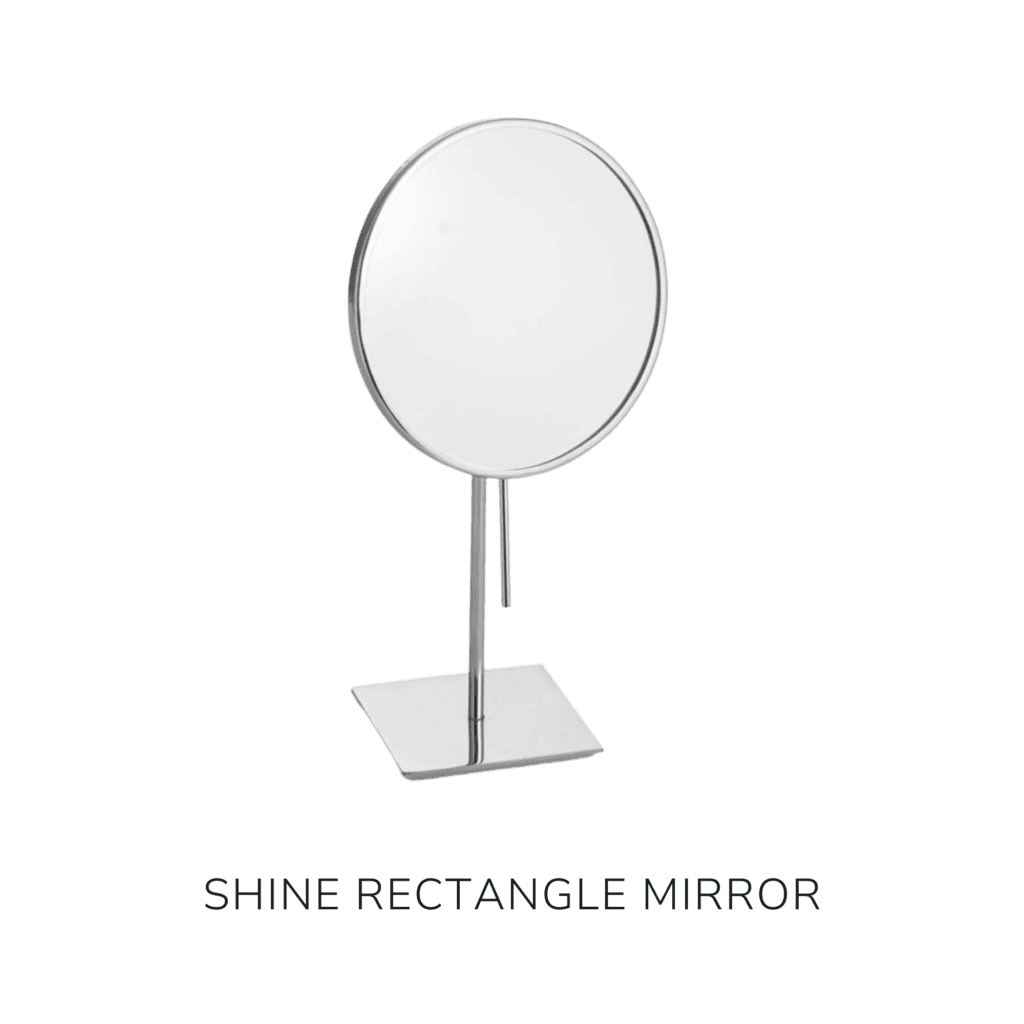
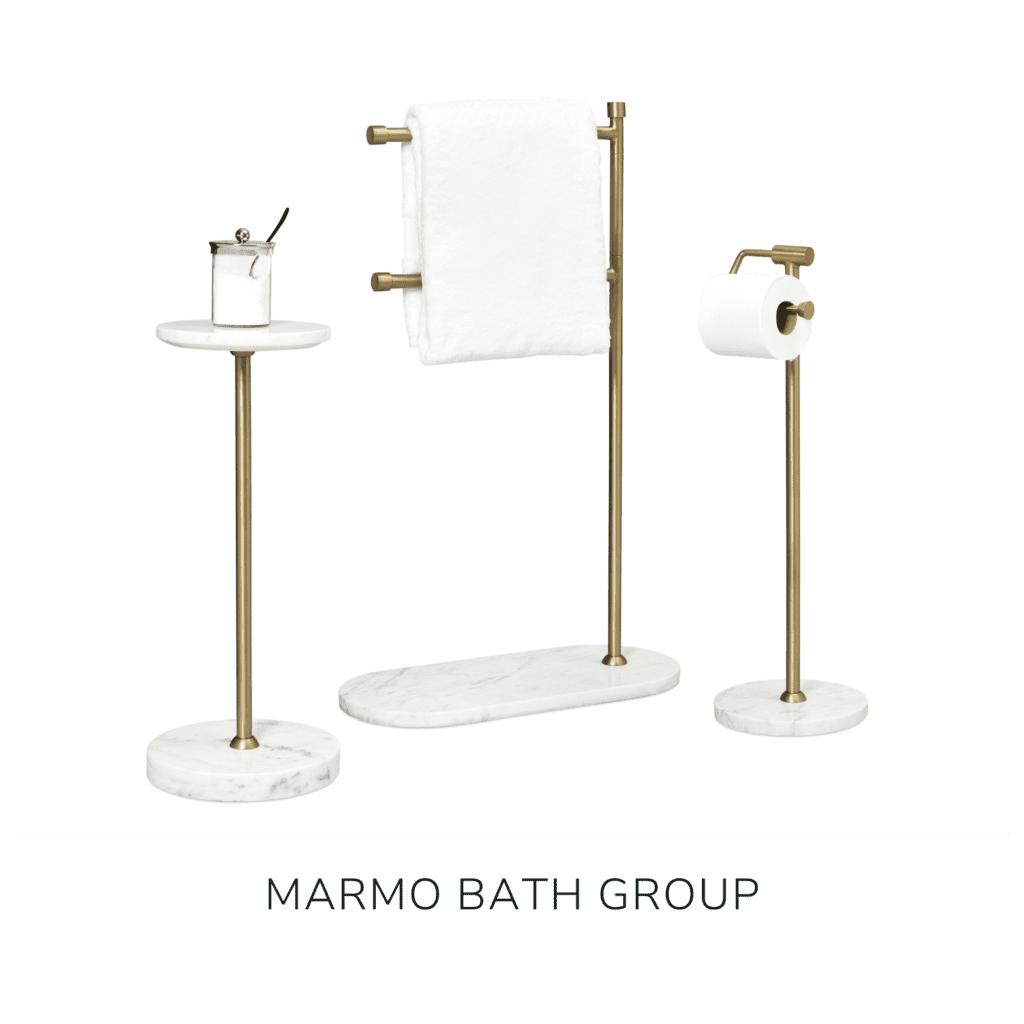
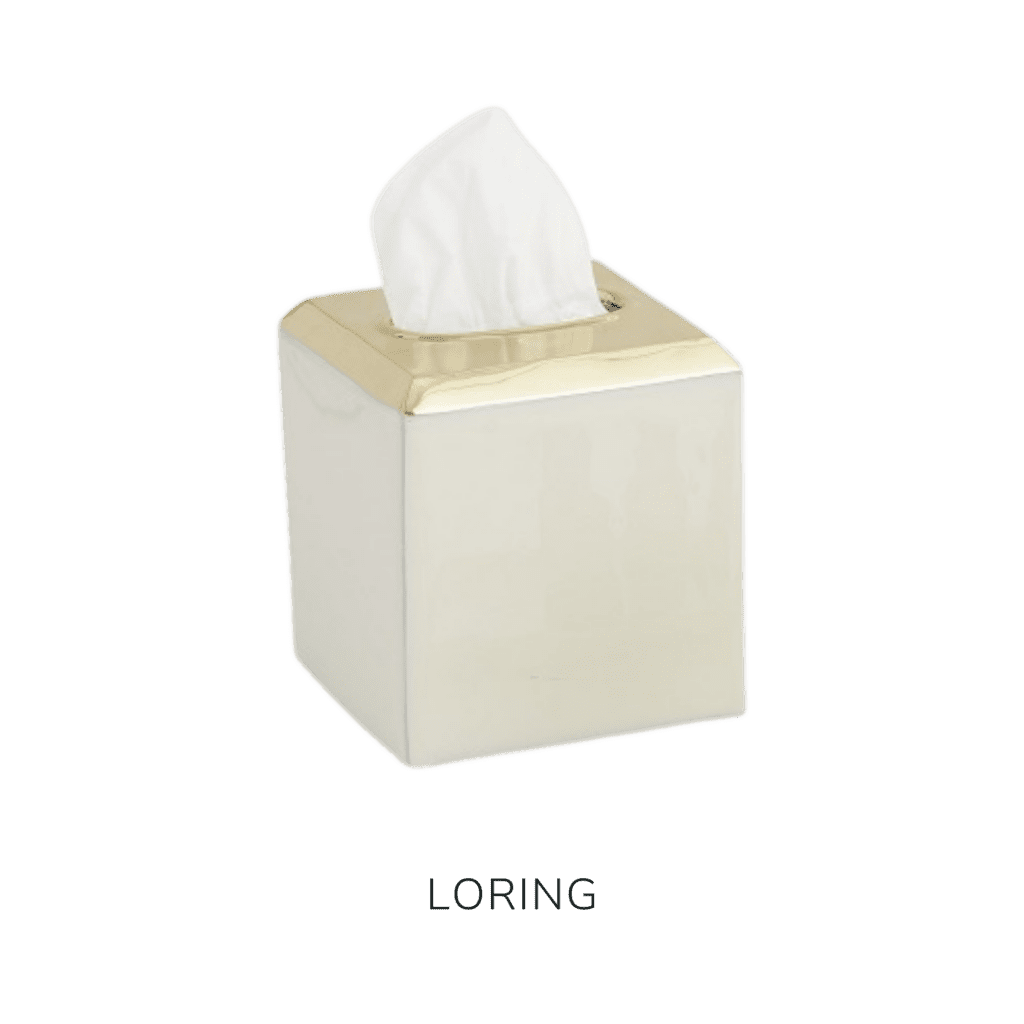
Wellness is no longer confined to dedicated spa floors.
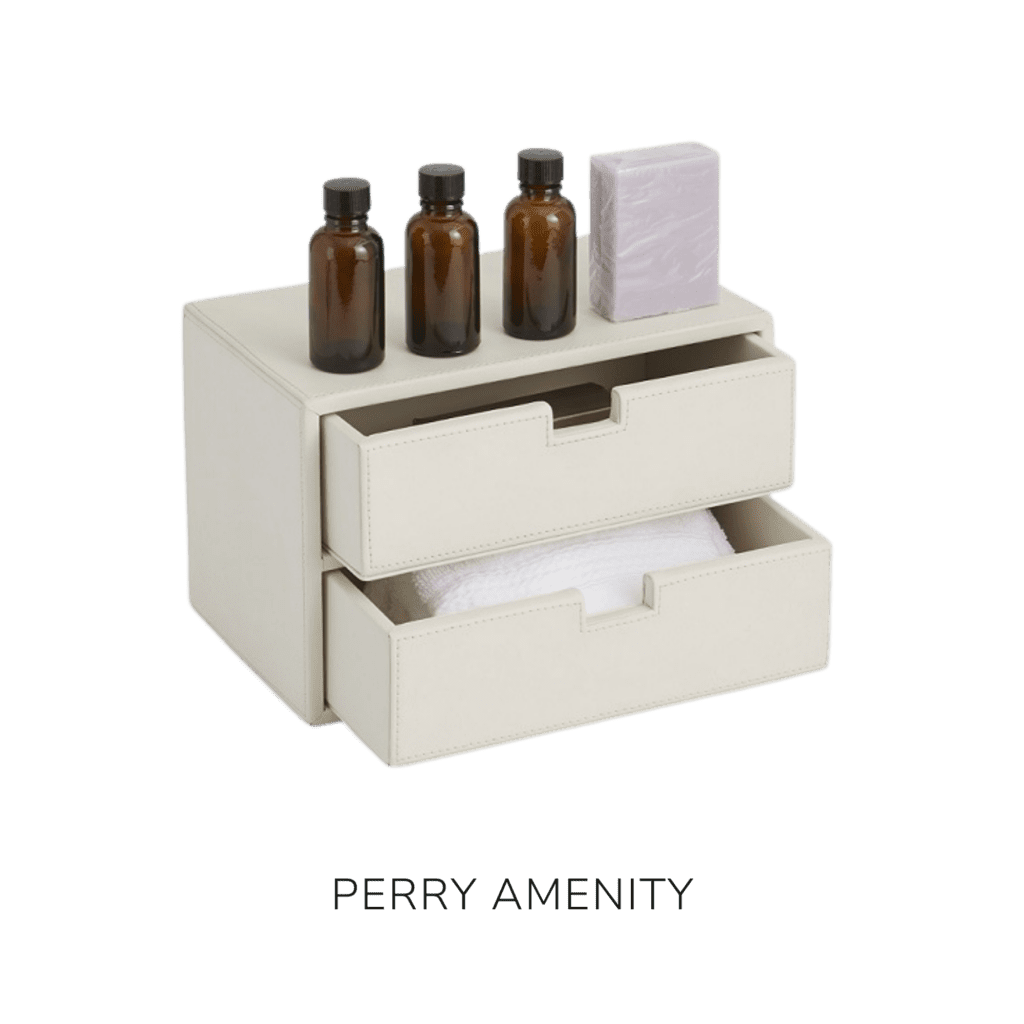
Guests expect restorative experiences within their private space. That means deeper soaking tubs, layered bath environments, thoughtful vanity organization, integrated tea rituals, and environments that feel calming but not sterile.
For resorts and destination properties especially, the bath becomes a sanctuary. Materials must withstand humidity while maintaining refinement. Trays must hold more than amenities. They support ritual.
The opportunity for operators is significant. When the in-room experience feels restorative, guests stay longer and return more often.
Wellness in 2026 is spatial design.
4. Modern Organic: Material-Led Design That Performs
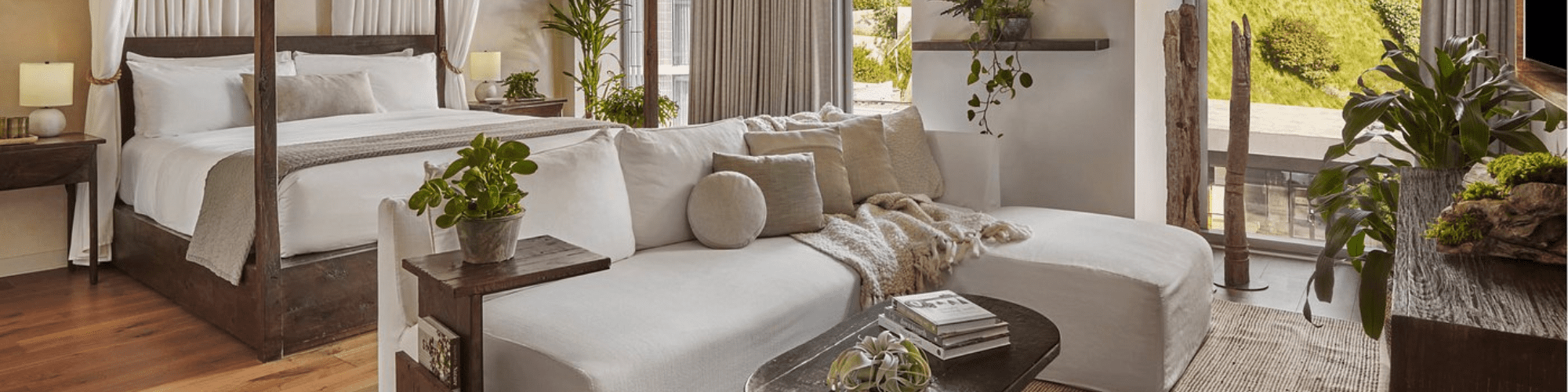
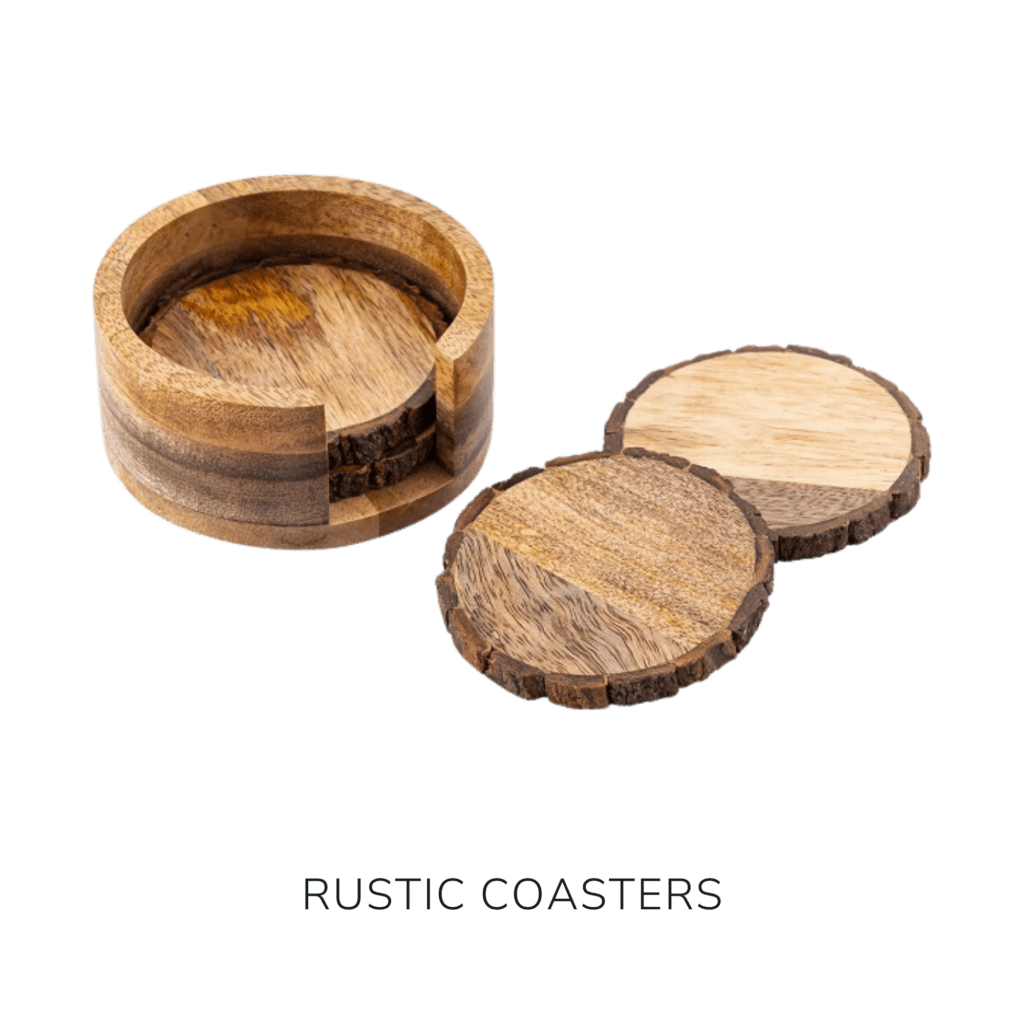
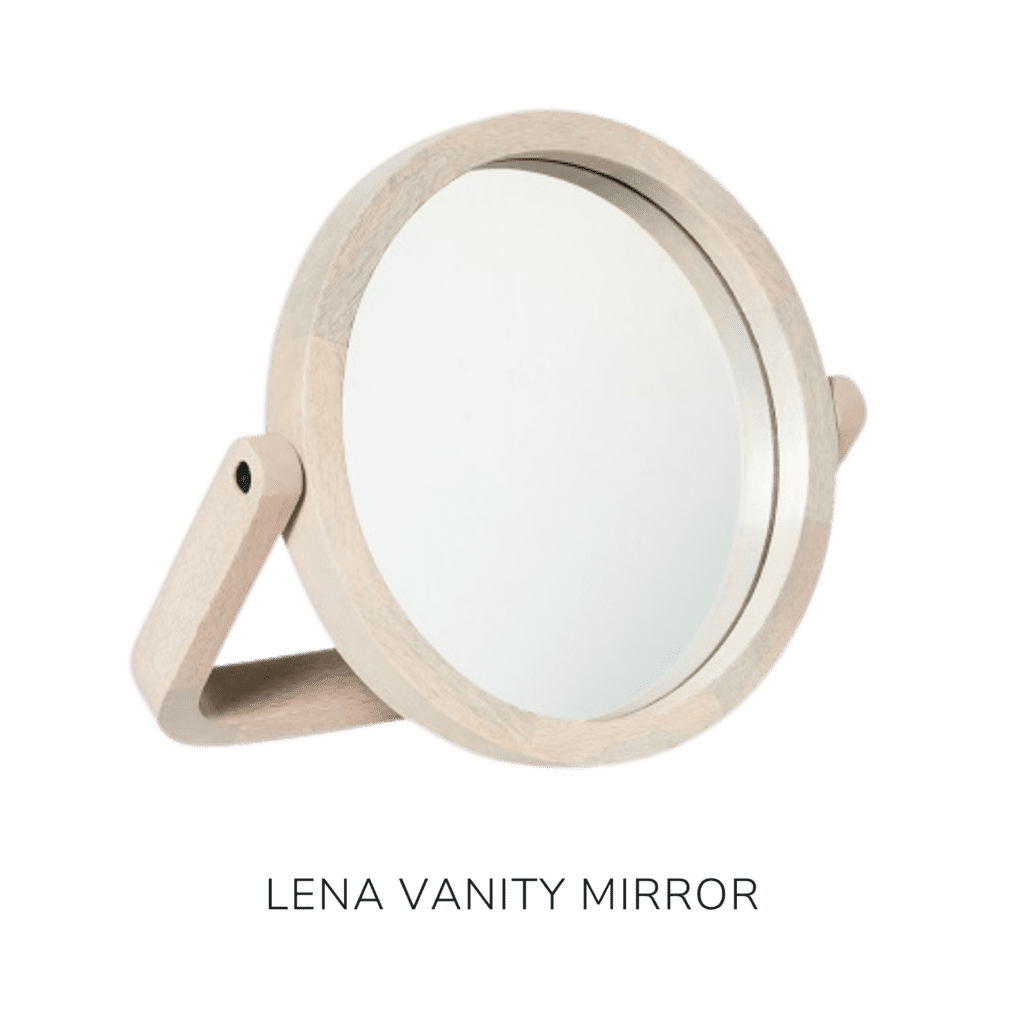
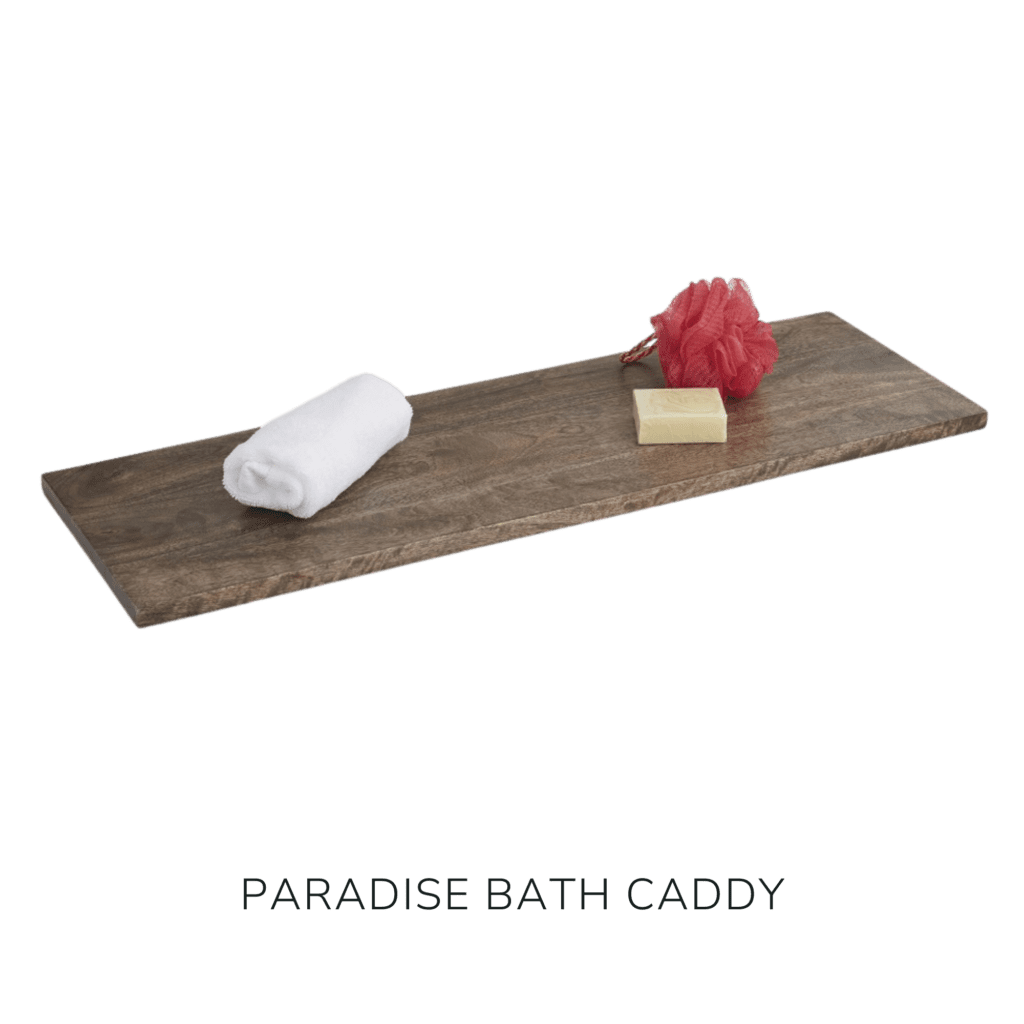
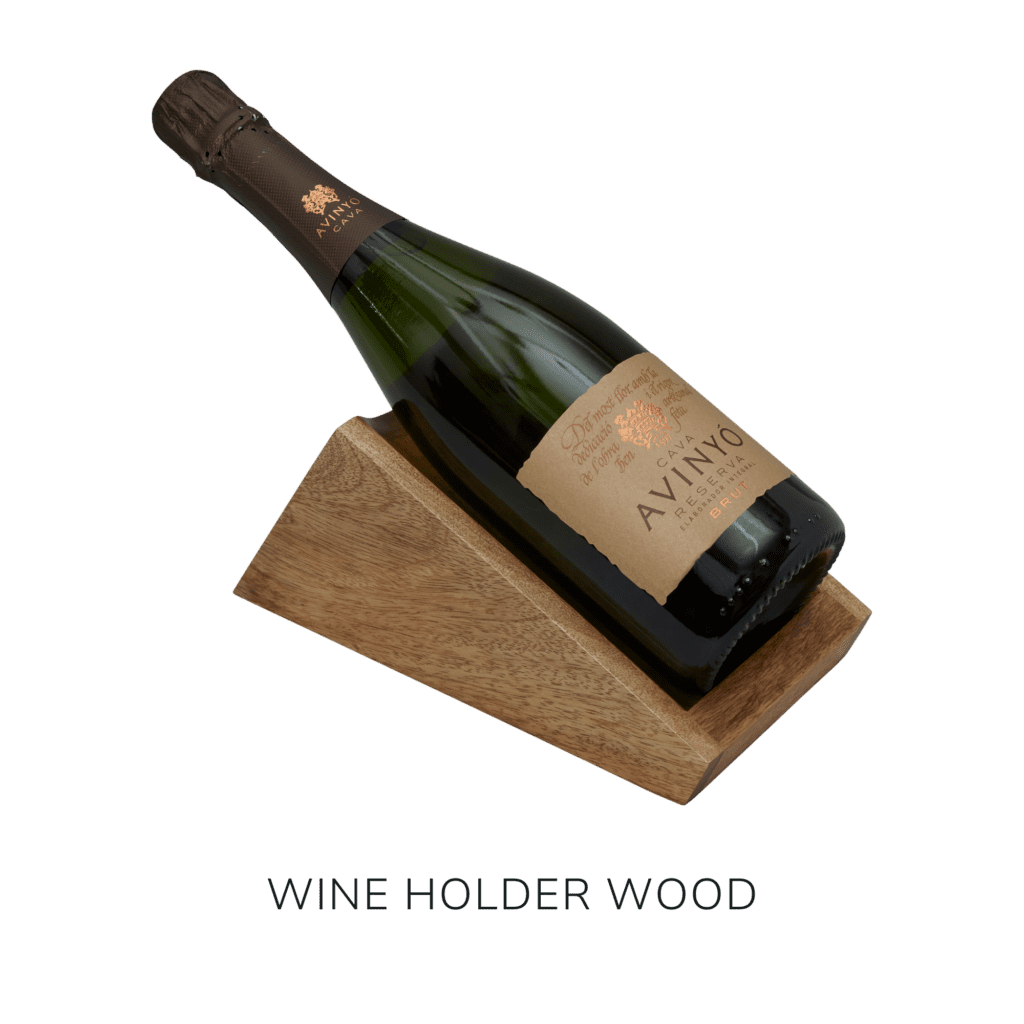
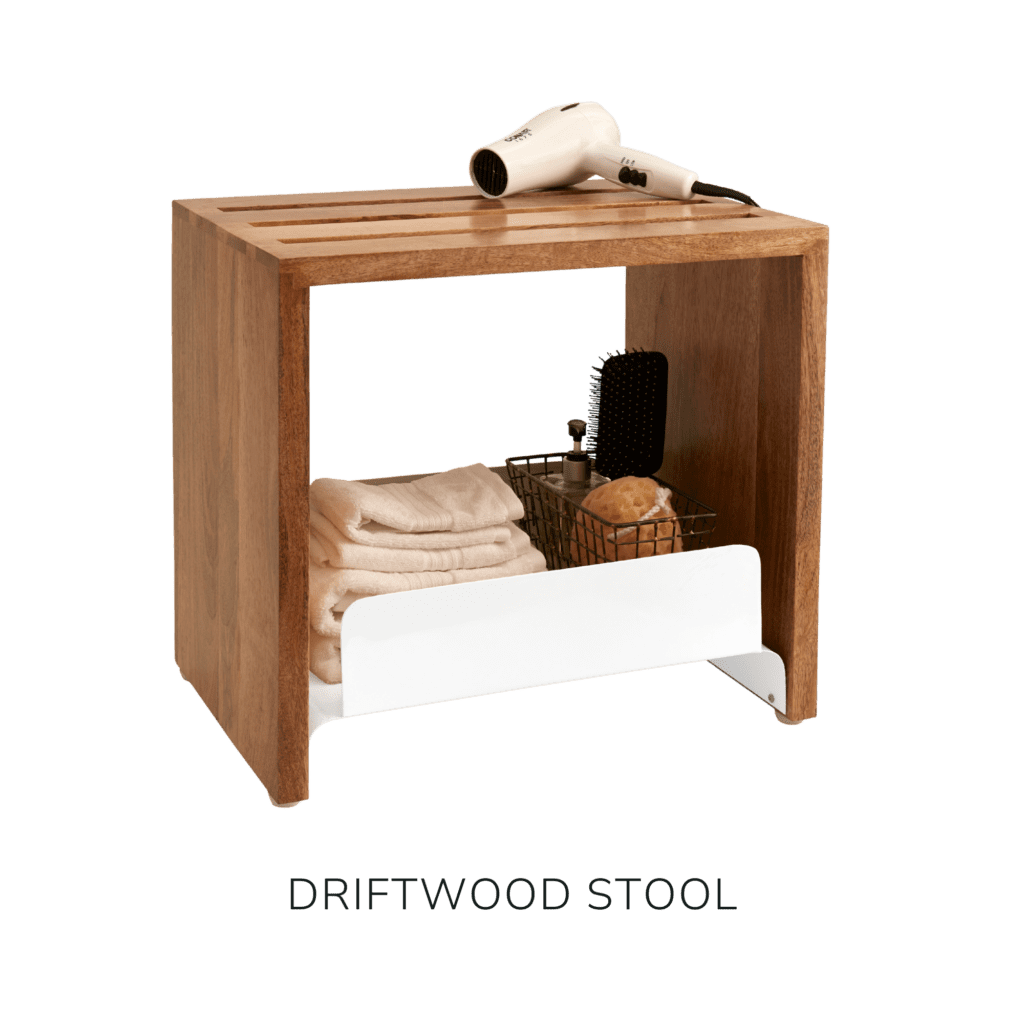
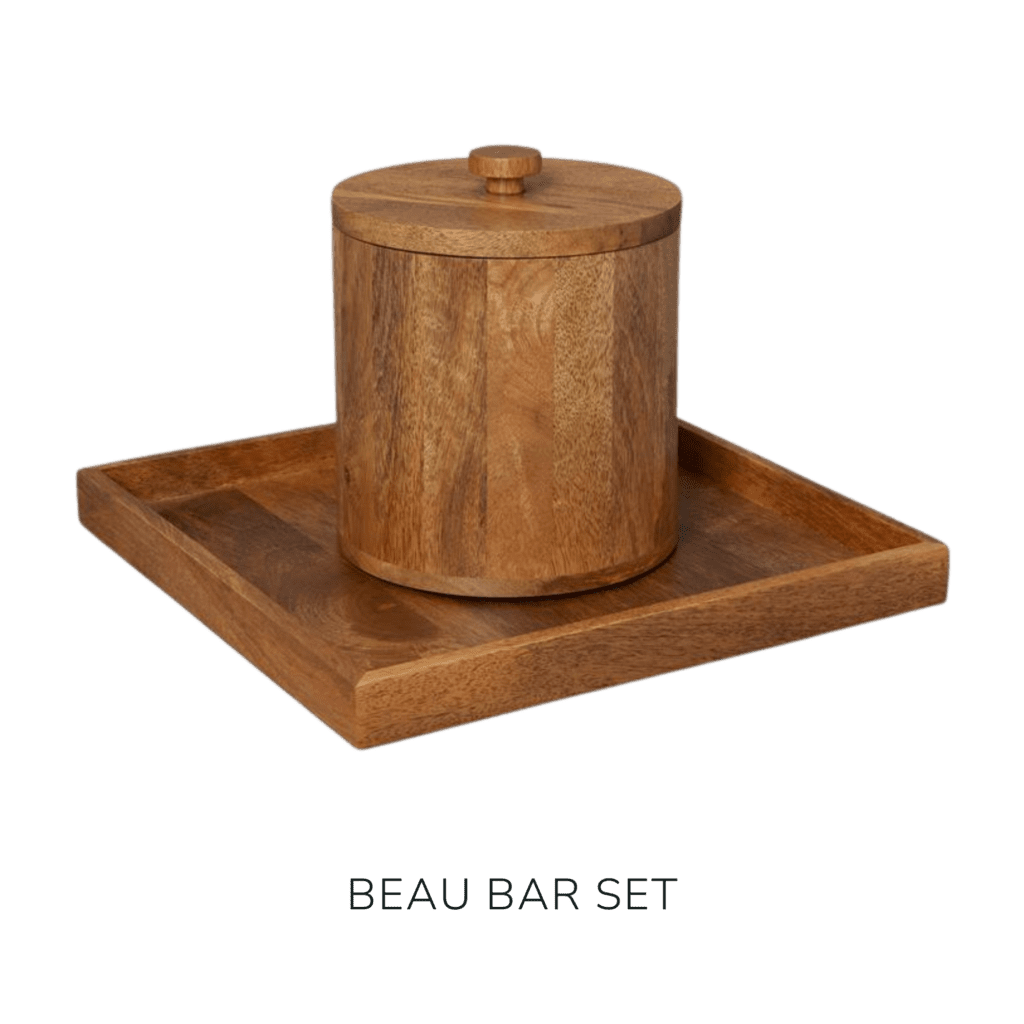
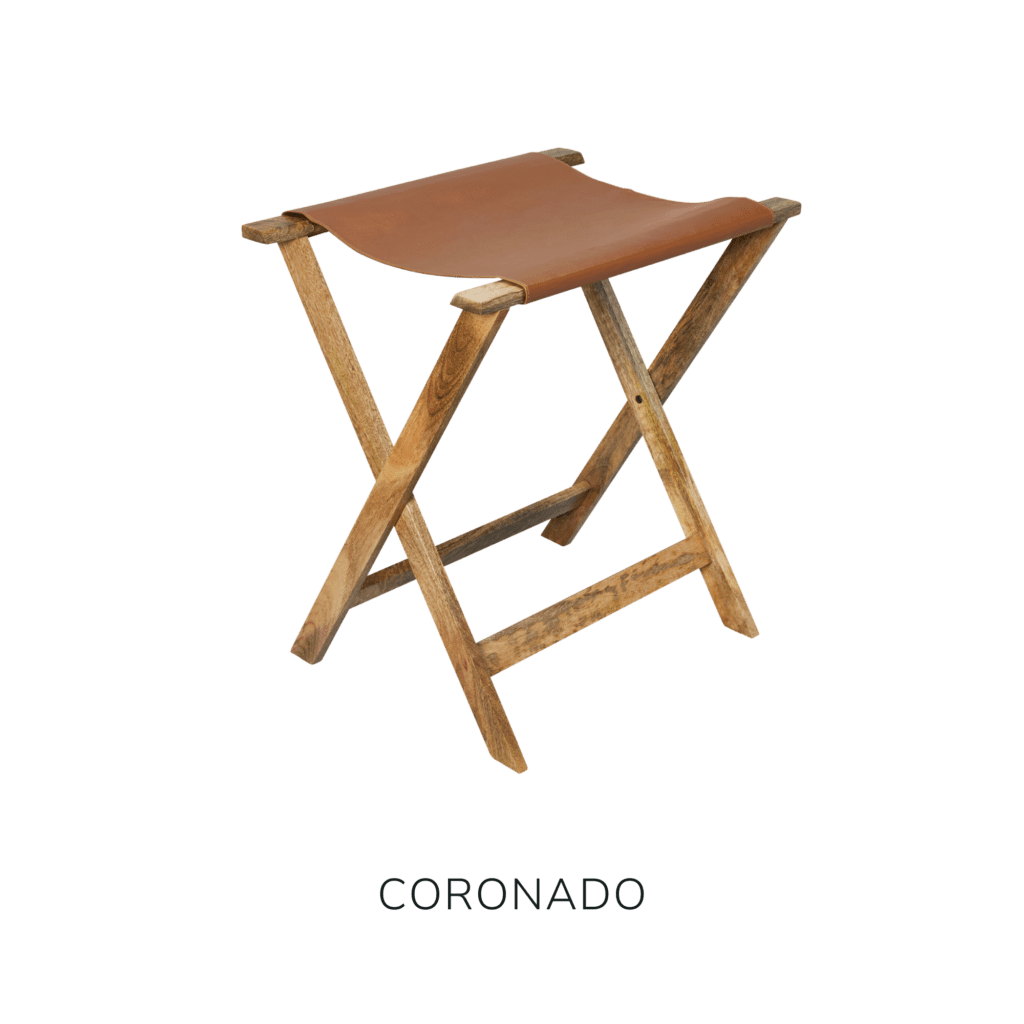
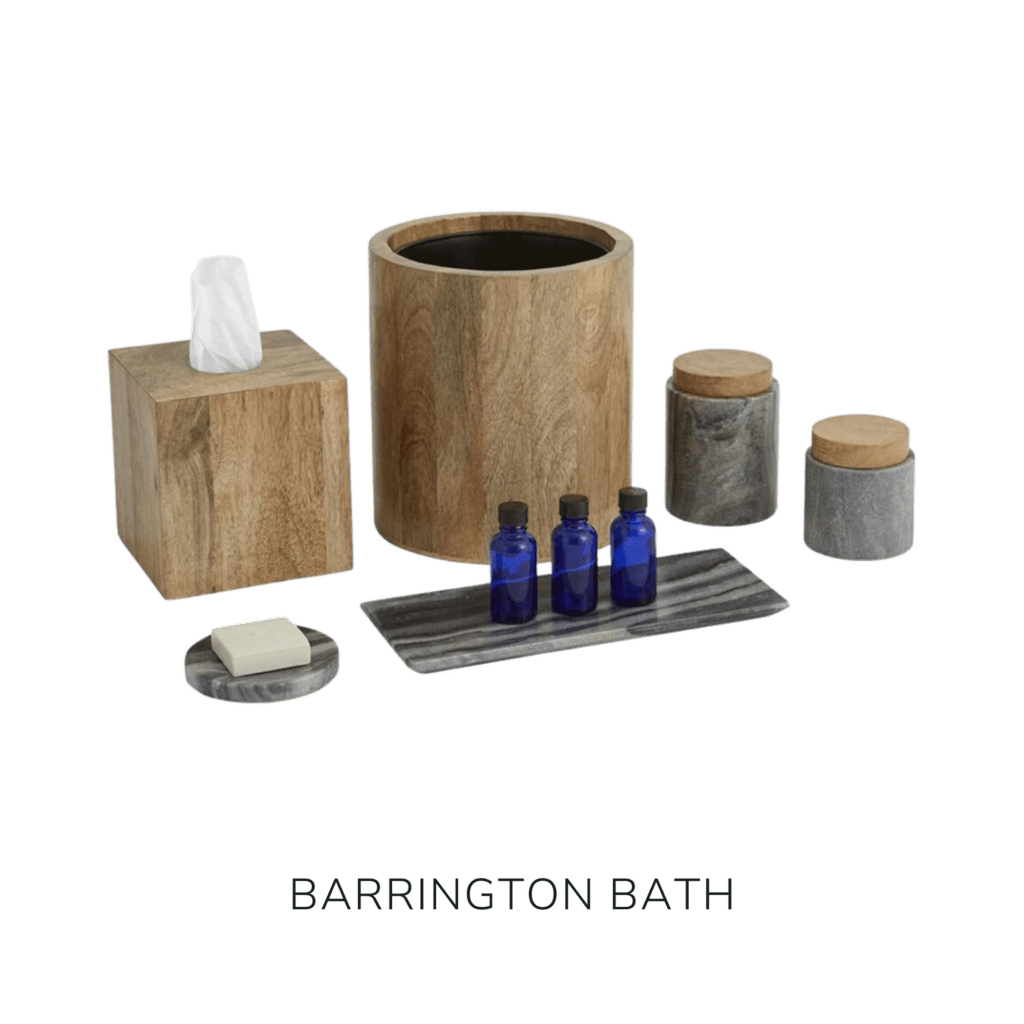
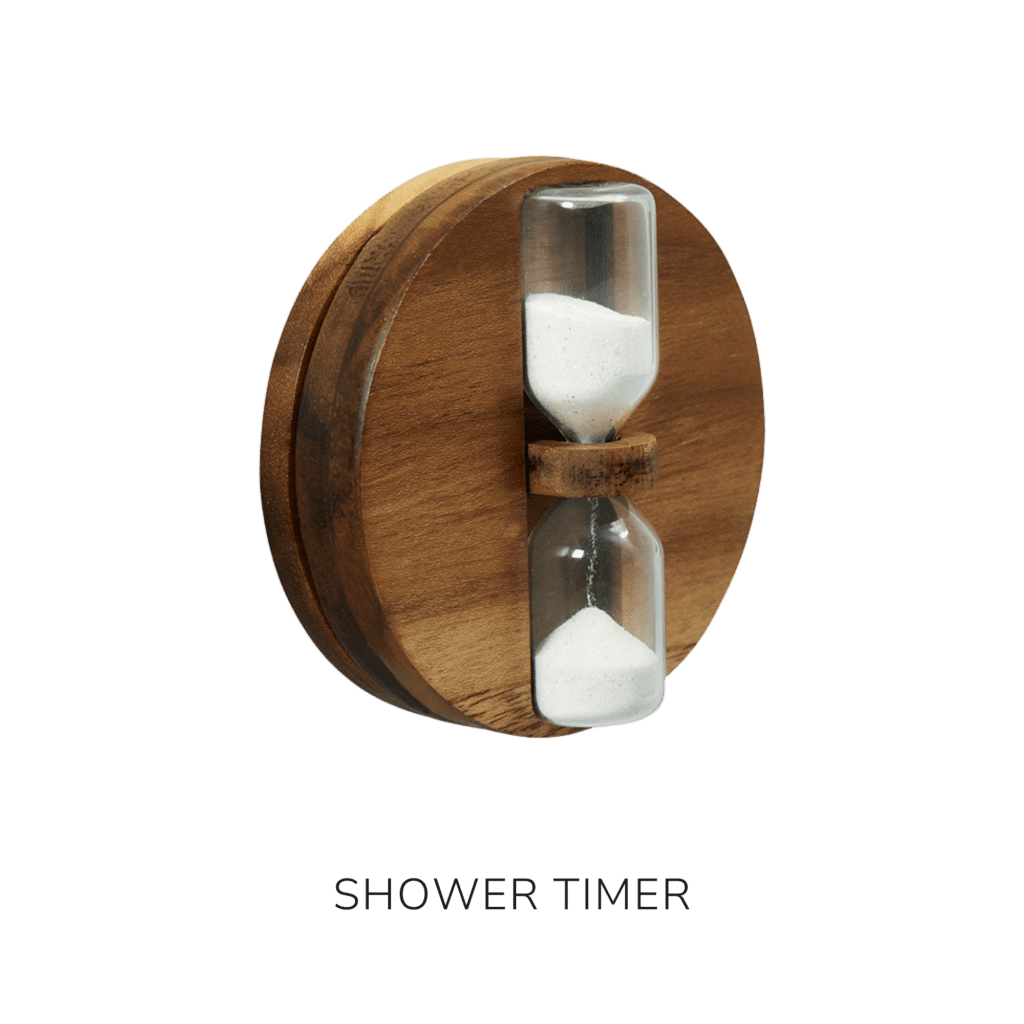
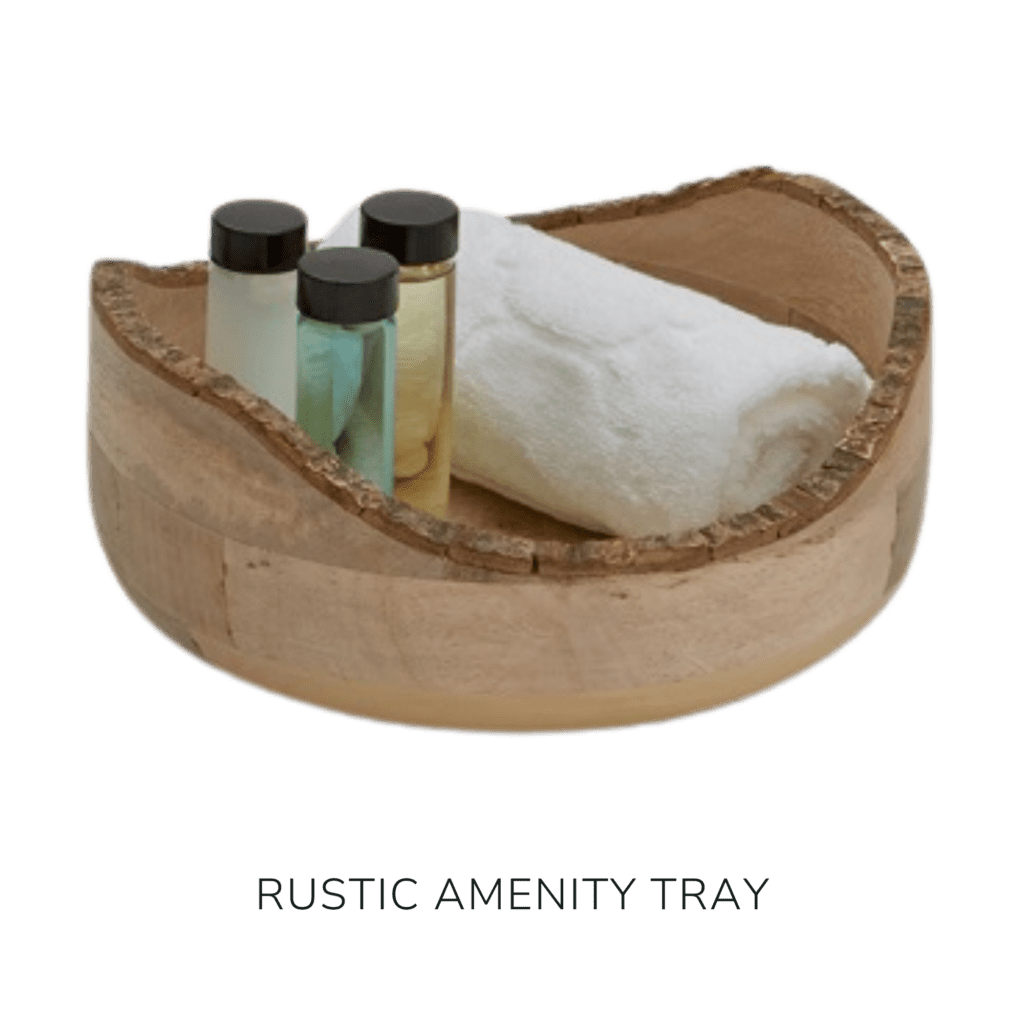
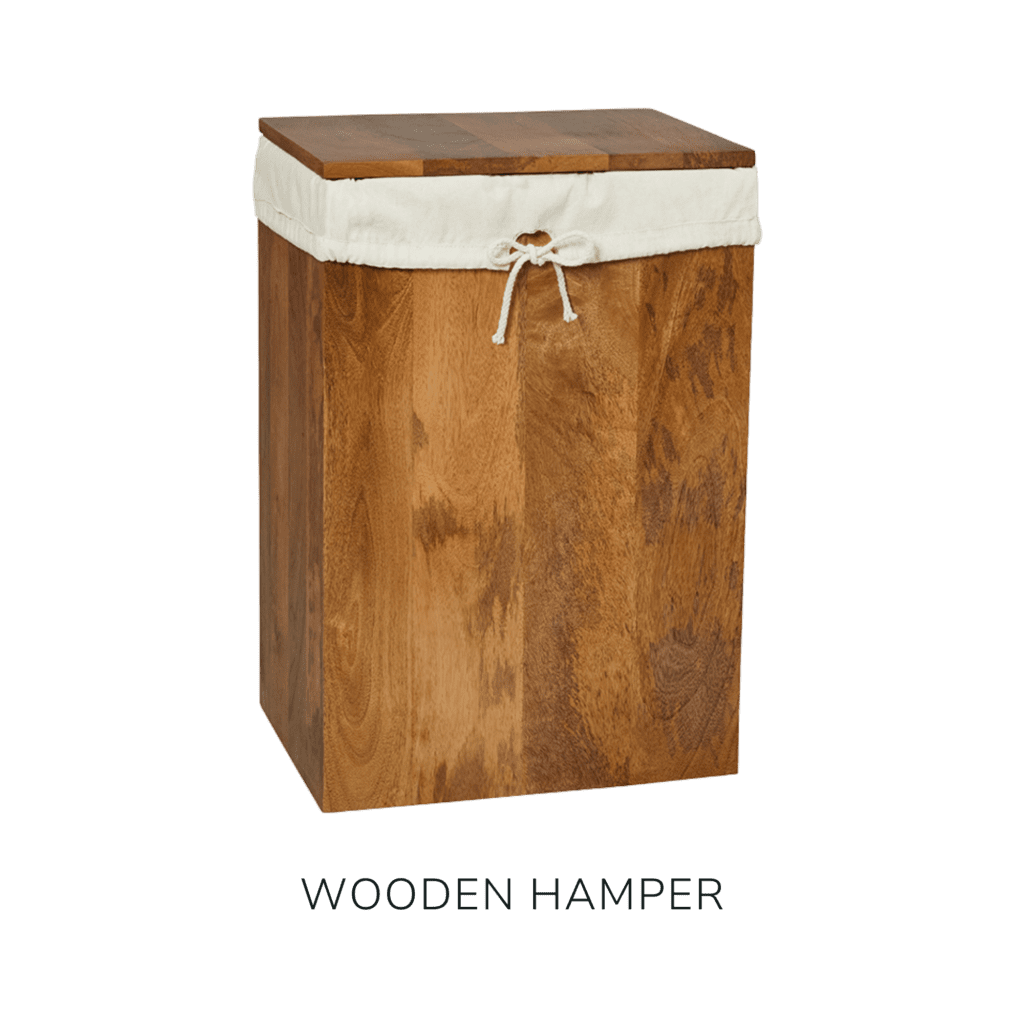
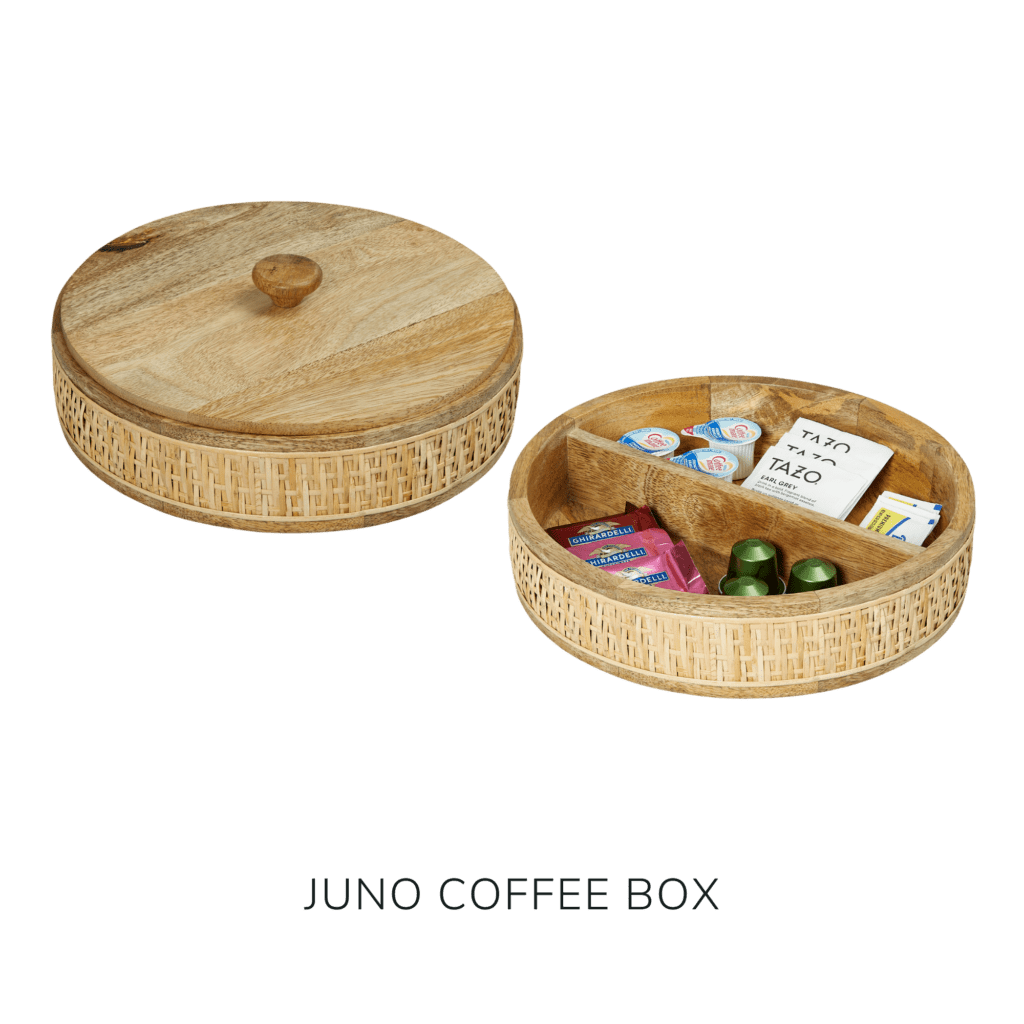
Modern Organic has matured.
In 2026, it is no longer shorthand for wood tones and greenery. It is a material-led strategy grounded in restraint and longevity.
Guests are responding to natural surfaces, softened edges, and environments that feel connected to place. But in hospitality, organic cannot mean fragile. It cannot mean porous. It cannot mean high replacement cycles.
For operators, this trend succeeds only when it is translated into performance.
That translation requires discipline.
Wood elements must be sealed for humidity and turnover. Resin may stand in for stone where durability demands it. Metal finishes must age intentionally rather than degrade unpredictably. Textures should feel considered without complicating housekeeping routines.
Modern Organic is often associated with resorts, but urban luxury properties are adopting it as well. Warmer neutrals, tactile bath environments, sculptural trays, and integrated coffee programs that feel carved into the architecture rather than placed on top of it.
Decorative rustic design relies on visible texture. Modern Organic relies on controlled fabrication. It is quieter. More measured. More dependent on material decisions than surface styling.
For procurement and design teams, this is where partnership becomes essential. Material selection affects maintenance schedules. Construction methods affect lifecycle cost. Finish consistency affects brand standards across properties.
When executed well, Modern Organic feels calm and grounded. When executed poorly, it feels temporary.
In 2026, the difference will be determined not by aesthetic intent, but by manufacturing discipline.
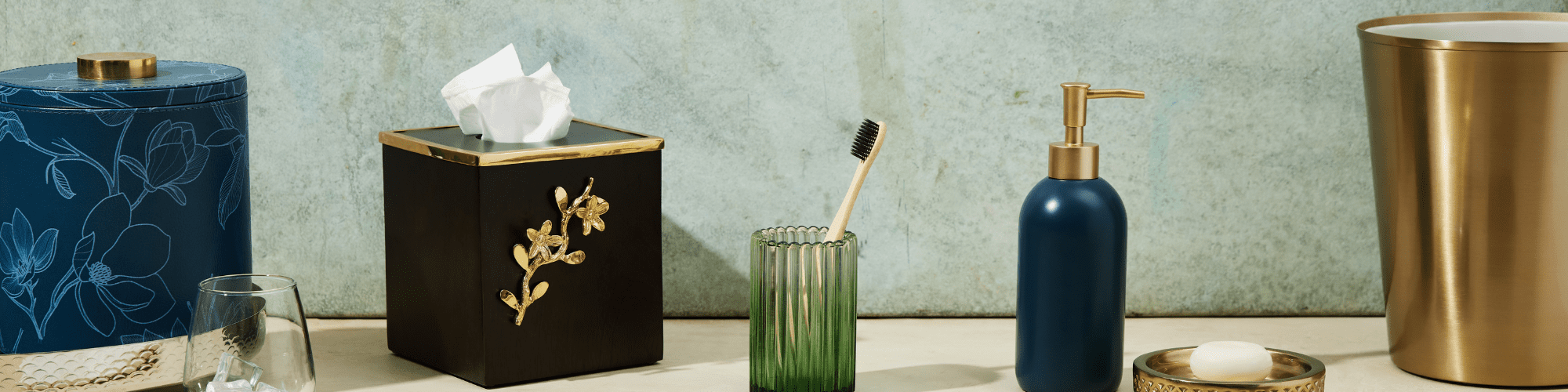
Supporting the 2026 Luxury Environment
For more than four decades, Paradigm Trends has partnered with hospitality leaders who understand that the smallest details shape the largest impressions.
As properties move toward private club sensibilities, flexible grand suites, integrated wellness, material transparency, and layered design, the supporting elements must evolve alongside the architecture.
Our work extends across bath, bar, coffee, desk, closet, and presentation environments. We collaborate with designers and operators to ensure materials align with the concept while performing under real-world pressure.
Luxury in 2026 will not be defined by excess.
It will be defined by intention.
The guest may never articulate why a room feels complete.
But they will feel when it does.
Lead Times and Customization: What Hotel Buyers Should Know Before Ordering OS&E / FF&E.