
Designing for the Aftermath: How Hotels Evolve After Major Global Events
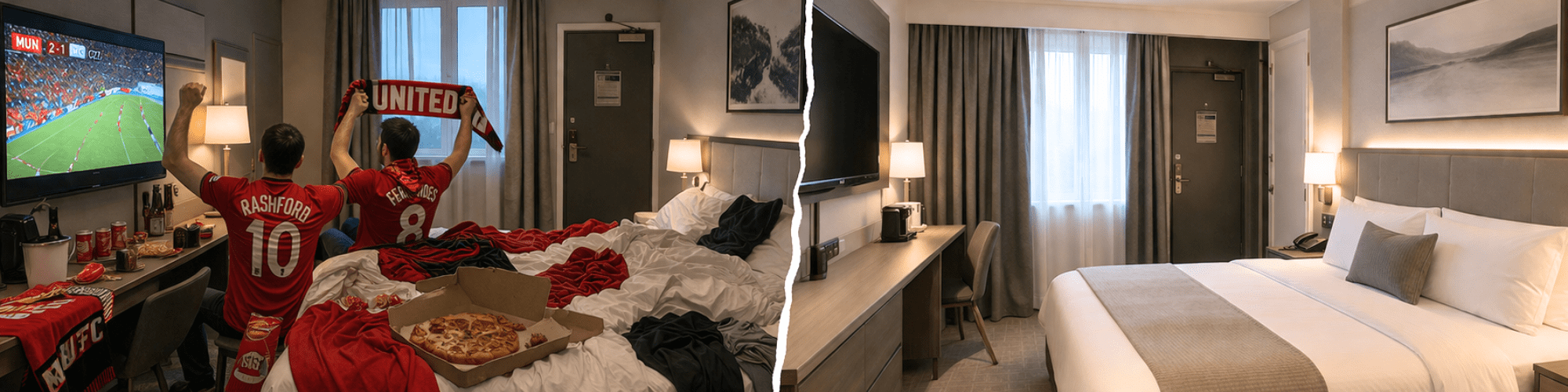
Global events like the FIFA World Cup drive a sharp increase in occupancy and operational demand.
Hotels prepare in advance by prioritizing speed, availability, and throughput. Rooms are used at a higher frequency, turnover accelerates, and wear becomes visible much faster than under normal conditions.
Once the event concludes, hotels are left with both increased revenue and a clear understanding of what performed well and what did not.
This post-event window is where meaningful upgrades happen. Not just to restore, but to improve.Introduction
Global events like the FIFA World Cup drive a sharp increase in occupancy and operational demand.
Hotels prepare in advance by prioritizing speed, availability, and throughput. Rooms are used at a higher frequency, turnover accelerates, and wear becomes visible much faster than under normal conditions.
Once the event concludes, hotels are left with both increased revenue and a clear understanding of what performed well and what did not.
This post-event window is where meaningful upgrades happen. Not just to restore, but to improve.
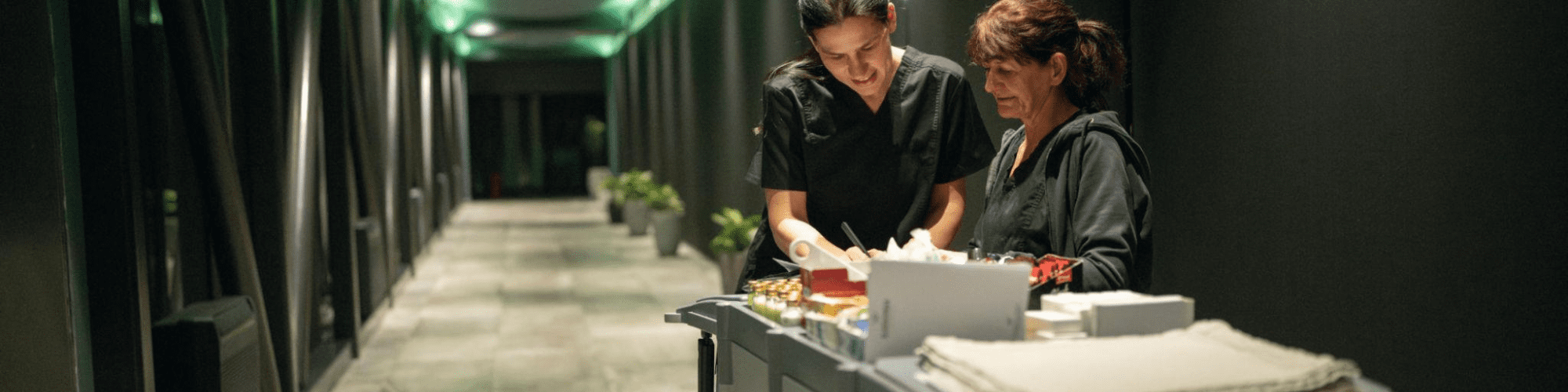
In the lead-up to a major event, the focus is on readiness.
Common approaches include:
- Using in-stock programs to meet compressed timelines
- Simplifying room setups to support faster housekeeping resets
- Selecting durable materials that can handle high-frequency use
At this stage, decisions are driven by operational efficiency. Design refinement is often deferred in favor of speed and availability.
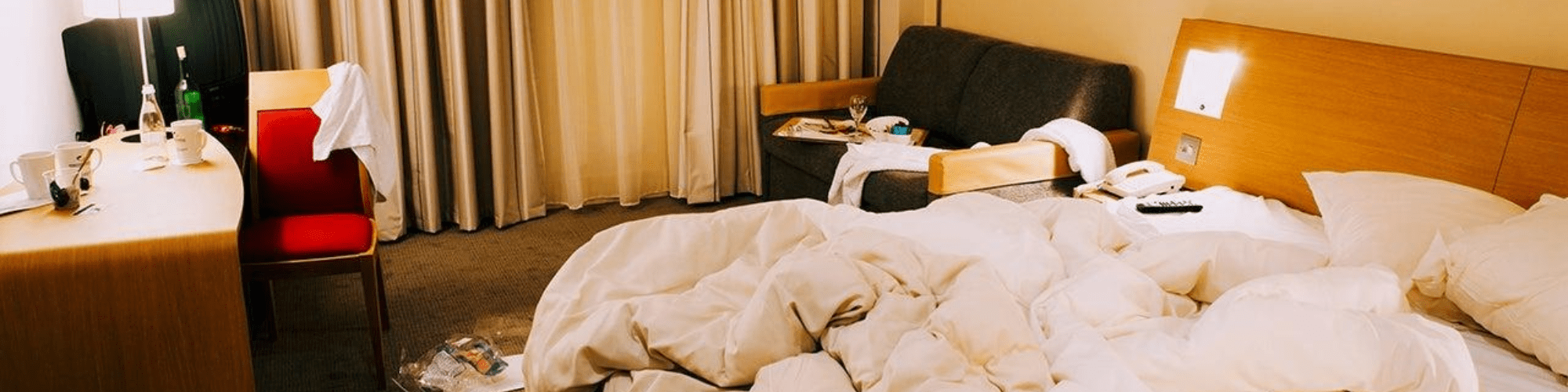
Sustained occupancy puts every element of the guestroom under pressure.
Over a short period of time, hotels begin to see:
- Finishes losing their consistency
- Accessories being damaged, misplaced, or mismatched
- Layout inefficiencies slowing down housekeeping
This phase highlights how products perform in real conditions, not just in specification or presentation.
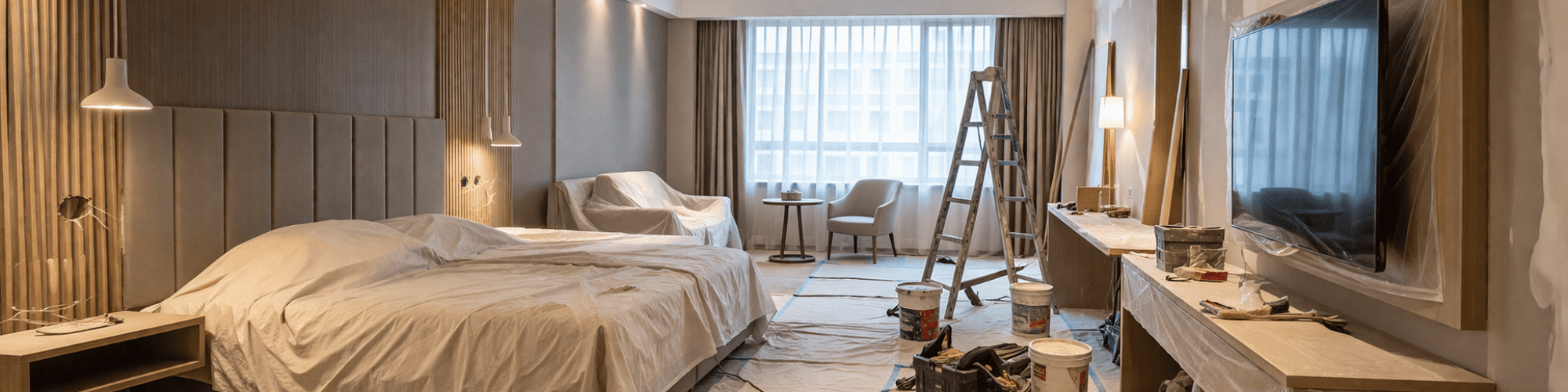
After the event, hotels move from short-term readiness to long-term improvement.
With increased revenue and operational insight, teams can:
- Replace temporary or inconsistent items with cohesive solutions
- Upgrade materials that did not maintain their finish
- Refine layouts based on actual guest and staff behavior
This is not a reset. It is a targeted upgrade informed by use.
Designing Based on What Actually Happened
Post-event upgrades are most effective when they are grounded in observation.
Key questions include:
- Which elements slowed down room resets?
- Where did guests interact with the room in unexpected ways?
- Which materials required frequent replacement?
Design decisions at this stage tend to be more precise:
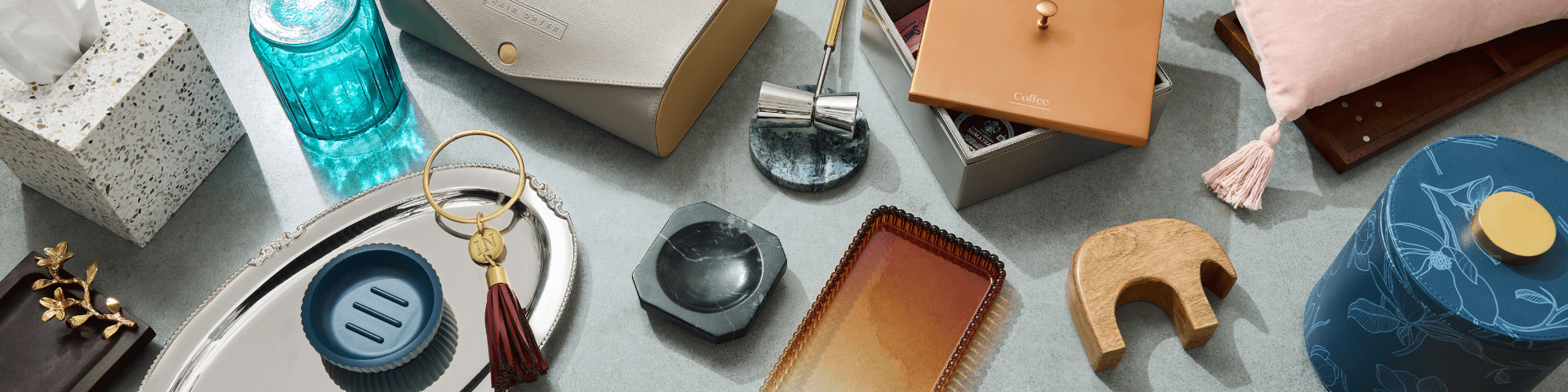
- Coffee setups that remain organized across repeated use
- Bathroom layouts that maintain order throughout a stay
- Accessories that are easy to reset and difficult to misplace
The focus shifts from concept to performance.
From In-Stock to Intentional
Pre-event sourcing is often driven by availability.
Post-event sourcing allows for more intentional decisions.
Hotels can:
- Transition from in-stock solutions to tailored programs
- Align materials and finishes across the guestroom
- Introduce higher-quality materials that still meet operational demands
This stage is where consistency and material integrity become more visible to the guest.
Designing for What Comes Next
Cities that host major events often continue to see increased travel long after the event itself.
Upgrades made in the immediate aftermath should account for ongoing demand.
This includes:
- Materials that can withstand continued high occupancy
- Layouts that support both short stays and longer visits
- Products that balance durability with a clear, refined appearance
The goal is not just to recover from one event, but to prepare for sustained use.
The lifecycle of a guestroom around a major event is consistent.
Preparation focuses on speed and availability.High occupancy reveals strengths and weaknesses.The post-event phase allows for targeted, informed upgrades.
Hotels that approach this cycle strategically are able to improve both operations and guest experience in a measurable way.
Lead Times and Customization: What Hotel Buyers Should Know Before Ordering OS&E / FF&E.