

New York hospitality operates under a unique set of pressures.
More than 700 hotels serve over 100,000 guestrooms across the city, with occupancy levels that regularly outpace national averages. Renovations are often executed in phases. Deliveries are carefully scheduled. Storage space is limited.
Under these conditions, design decisions extend beyond aesthetics. Guestroom accessories and operational items must withstand repeated use while maintaining a consistent visual language that supports the property’s identity.
Material selection, proportions, and durability all play a role in ensuring that guestrooms remain functional and visually cohesive through thousands of turnovers each year.
Below are four common guestroom environments found across New York hotels, and the considerations that influence how they are specified.
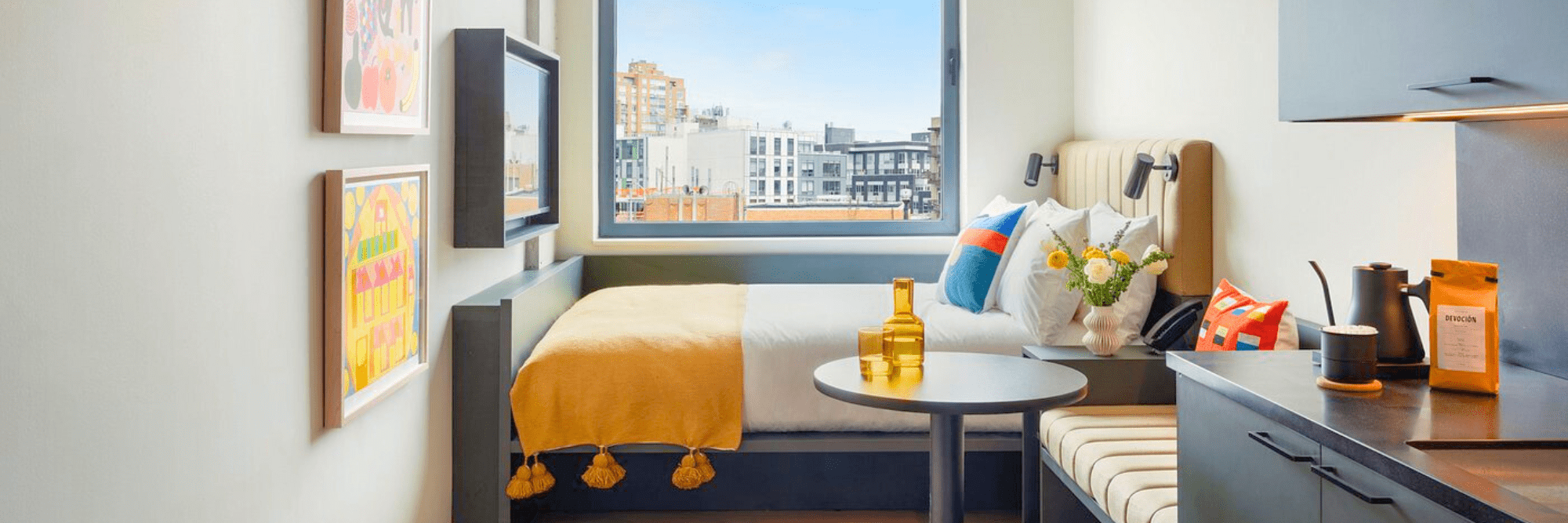
The Manhattan Equation: Designing for Smaller Guestroom Footprints
Many New York guestrooms are designed within compact floorplates. In these environments, every surface must be carefully considered.
A typical Manhattan guestroom desk may need to accommodate a coffee machine, pod storage, glassware, and informational materials without overwhelming the available space. Wastebaskets and amenity trays must remain accessible without interrupting circulation paths.
For this reason, accessories designed for dense urban properties often prioritize:
• slim-profile or corner-shaped wastebaskets
• integrated coffee trays with pod storage
• vertically efficient designs
• accessories that combine multiple functions
Small adjustments to proportions can significantly improve both the guest experience and housekeeping efficiency.
When items are designed with the room’s footprint in mind, the space feels intentional rather than crowded.
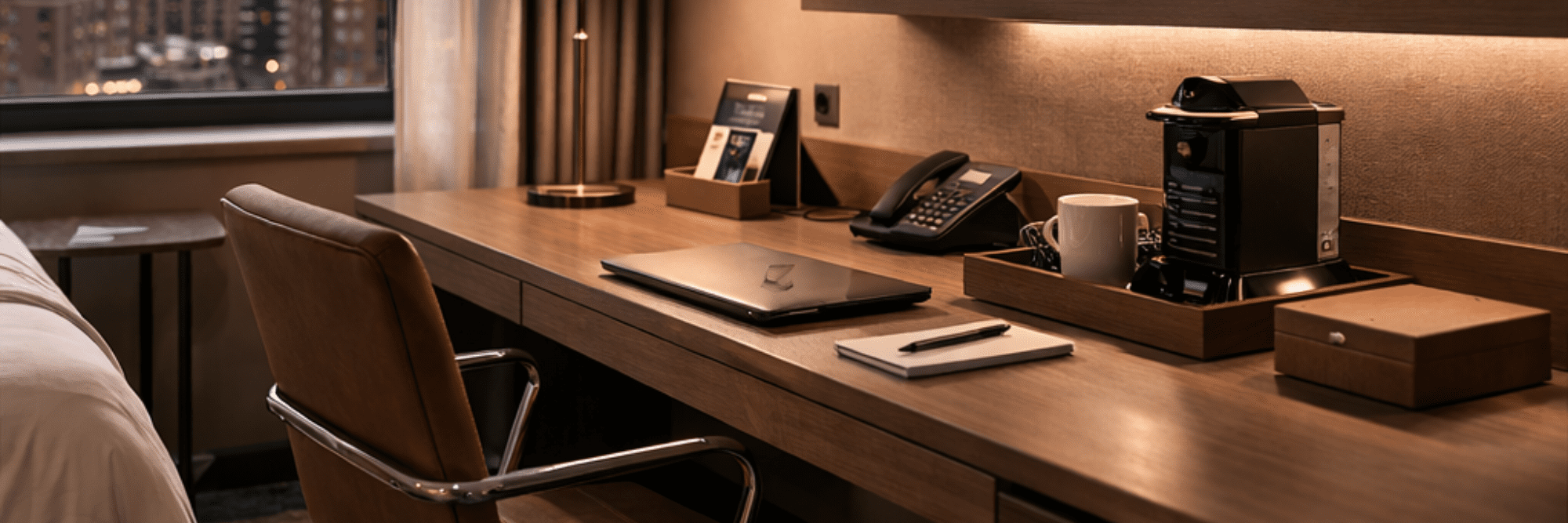
High-Turnover Guestrooms: Designing for Constant Use
In many New York properties, guestrooms experience thousands of cleaning cycles each year.
Housekeeping teams move quickly. Accessories are handled daily. Surfaces are cleaned with commercial-grade chemicals designed for speed and sanitation.
Under these conditions, durability becomes essential.
Stainless steel is commonly specified because it resists corrosion from repeated exposure to cleaning products. Resin accessories maintain their structure in humid bathroom environments. Properly sealed faux leather performs well in bar trays and desk accessories that are handled frequently.
The goal is not simply to install accessories that look good on opening day. The goal is to maintain visual consistency after years of daily use.
Properties that select materials carefully often see lower replacement frequency and more consistent guestroom presentation over time.

Luxury Suites: Where Materials and Craft Take Center Stage
Luxury suites present a different set of priorities.
While durability remains important, these spaces often allow greater flexibility in materials, finishes, and customization. Accessories may coordinate directly with the suite’s millwork, upholstery, or decorative palette.
In these environments, custom fabrication allows designers to align smaller details with the broader interior concept. Leather-wrapped trays, custom-finished wastebaskets, and tailored accessory programs can reinforce the overall design narrative.
Because suites represent a smaller percentage of total rooms, they also allow for more material experimentation and elevated finishing techniques.
The key is ensuring that these custom elements still perform within the operational demands of hospitality environments.
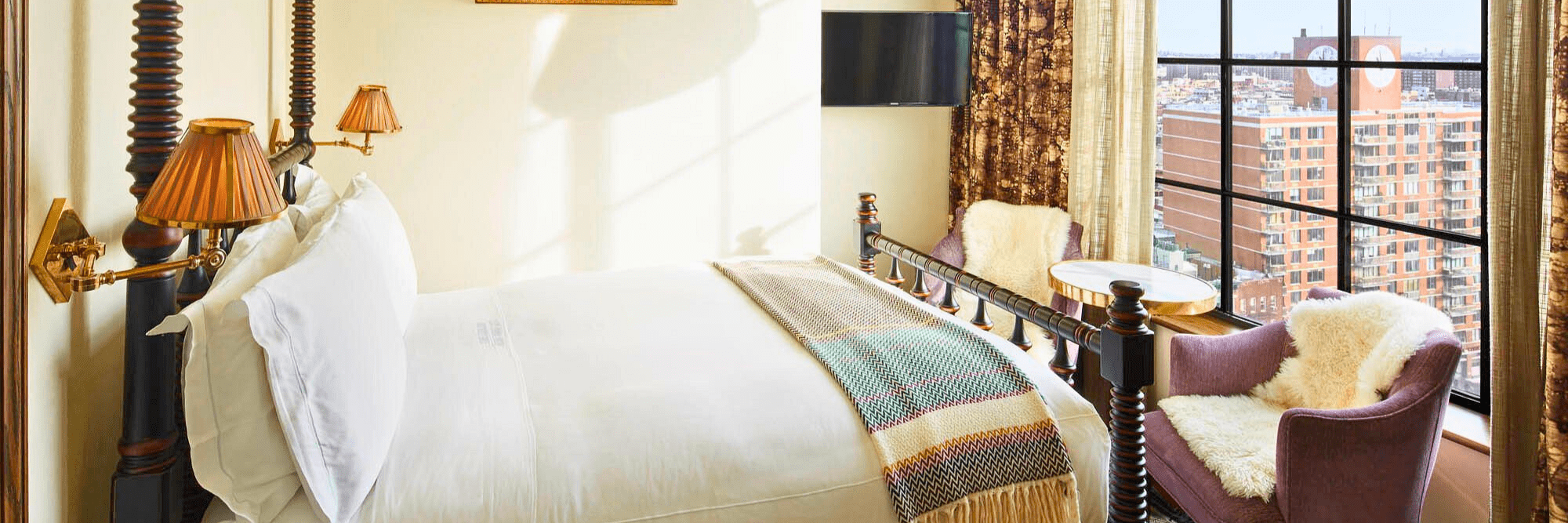
Boutique Hotels: Identity Through Detail
Boutique properties often place particular emphasis on individuality.
Unlike large brand programs that prioritize standardization, boutique hotels frequently use accessories as an opportunity to reinforce their identity and storytelling.
Material selection, color palettes, and finishing details may reflect the neighborhood, architectural context, or cultural influences of the property.
For example:
• bold resin colors that match the interior palette
• marble finishes that complement furniture or wall treatments
• custom tray shapes or hardware details
While the scale of these properties may be smaller, the expectations around visual consistency are often higher.
Accessories become part of the design language rather than purely operational objects.
Designing for Performance in New York
Across all property types, one principle remains consistent: hospitality accessories must perform under real operating conditions.
In New York City, this means designing for:
• compact spaces
• high occupancy
• frequent cleaning cycles
• strict delivery logistics
• phased renovation timelines
When these realities are considered early in the specification process, guestrooms remain functional, durable, and visually cohesive long after opening day.
For over four decades, Paradigm Trends has designed and manufactured OS&E and FF&E programs that support hospitality environments operating at this scale.
Understanding the demands of New York hospitality allows every detail – no matter how small – to contribute meaningfully to the guest experience.
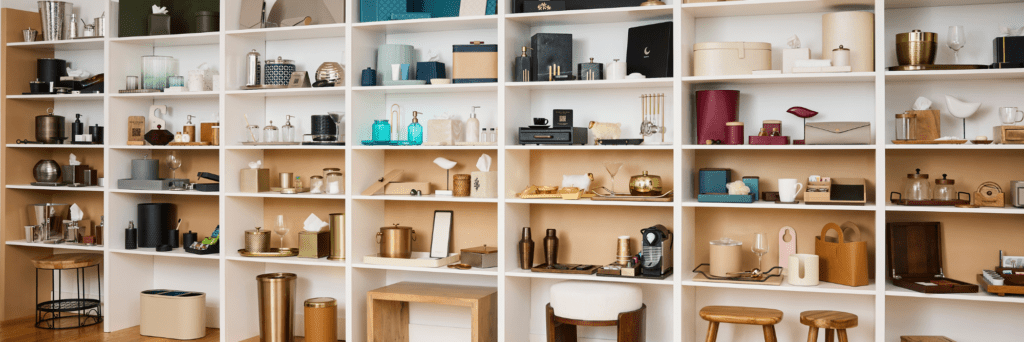
Step into our NYC showroom and see how materials, scale, and specification come together in real time.
Lead Times and Customization: What Hotel Buyers Should Know Before Ordering OS&E / FF&E.