
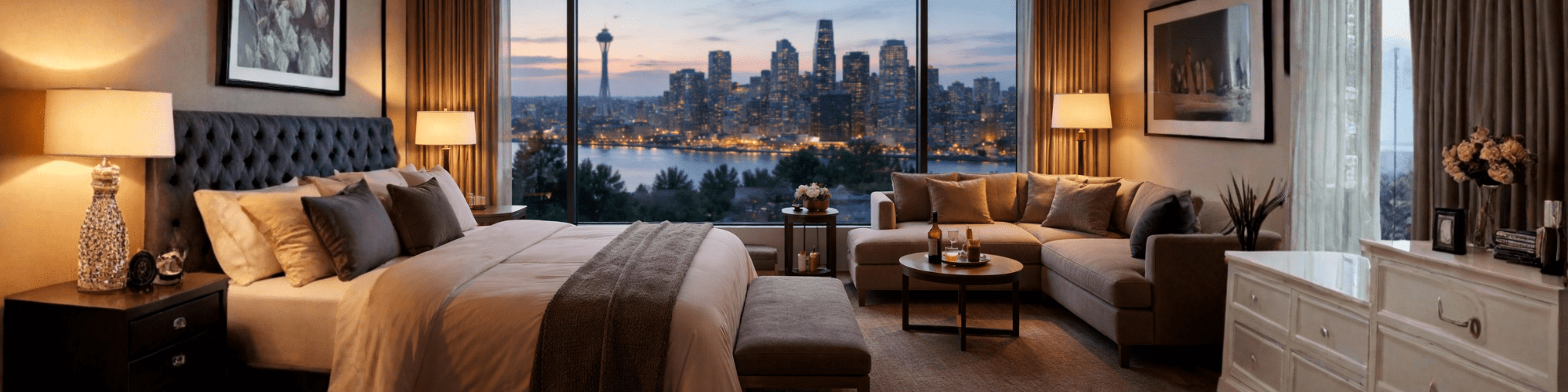
Global travel is surging. With events like the FIFA World Cup drawing crowds across continents, hotels are preparing for an influx of international guests.
But “global traveler” doesn’t mean one thing.
Some guests arrive with a passport full of stamps. Others have saved for years for a once-in-a-lifetime ticket.
Designing the modern guestroom means designing for both.
Not just for where they’ve been. For how they arrive.
Not Every Global Traveler Is a Frequent One
Not every global traveler is seasoned.
Some are stepping into a hotel room like this for the first time.Some are navigating a new country, a new rhythm, a new level of hospitality.
And that changes the brief.
Because now, the guestroom isn’t just a place to stay.It’s part of a milestone.
Design That Translates Instantly
A well-designed room doesn’t require interpretation.
It should feel immediately understandable, regardless of where your guest is coming from.
That means:
- Neutral, layered palettes that feel calm across cultures
- Materials like wood, stone, and metal
- Layouts that guide movement without instruction
The goal is not to impress at first glance, but to feel familiar within seconds.

The Coffee Setup Shouldn’t Be a Puzzle
Coffee is universal. The way people take it is not.
Your setup needs to accommodate both without asking the guest to figure it out.
What works:
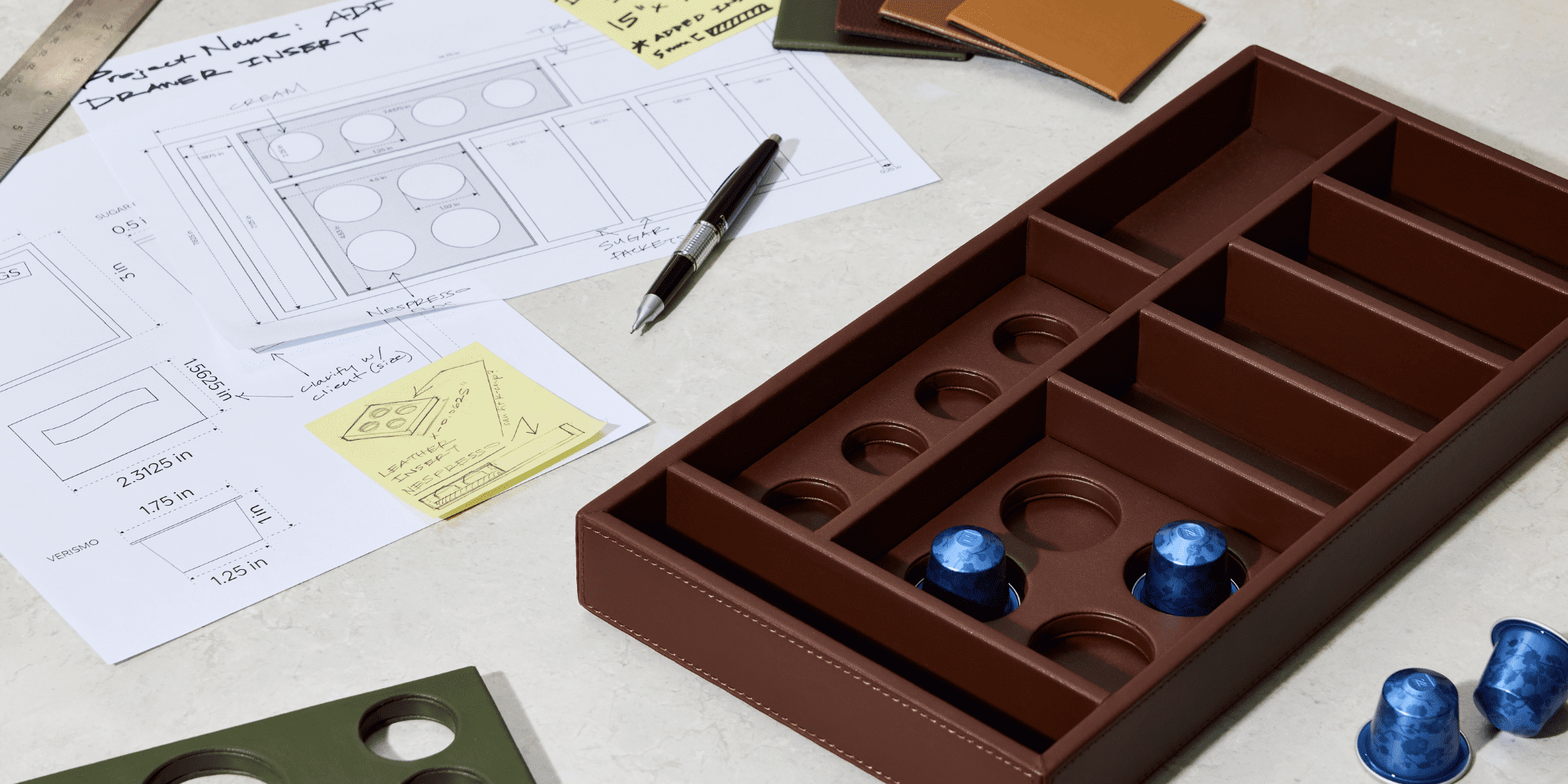
- Clearly organized trays with defined zones
- Space for both pod machines and kettles
- Accessories that are visible, not hidden
The experience should feel obvious, not discovered.
Bathrooms That Organize Themselves
Bathrooms are where routines differ the most.
The design should create order without requiring effort.
Key considerations:
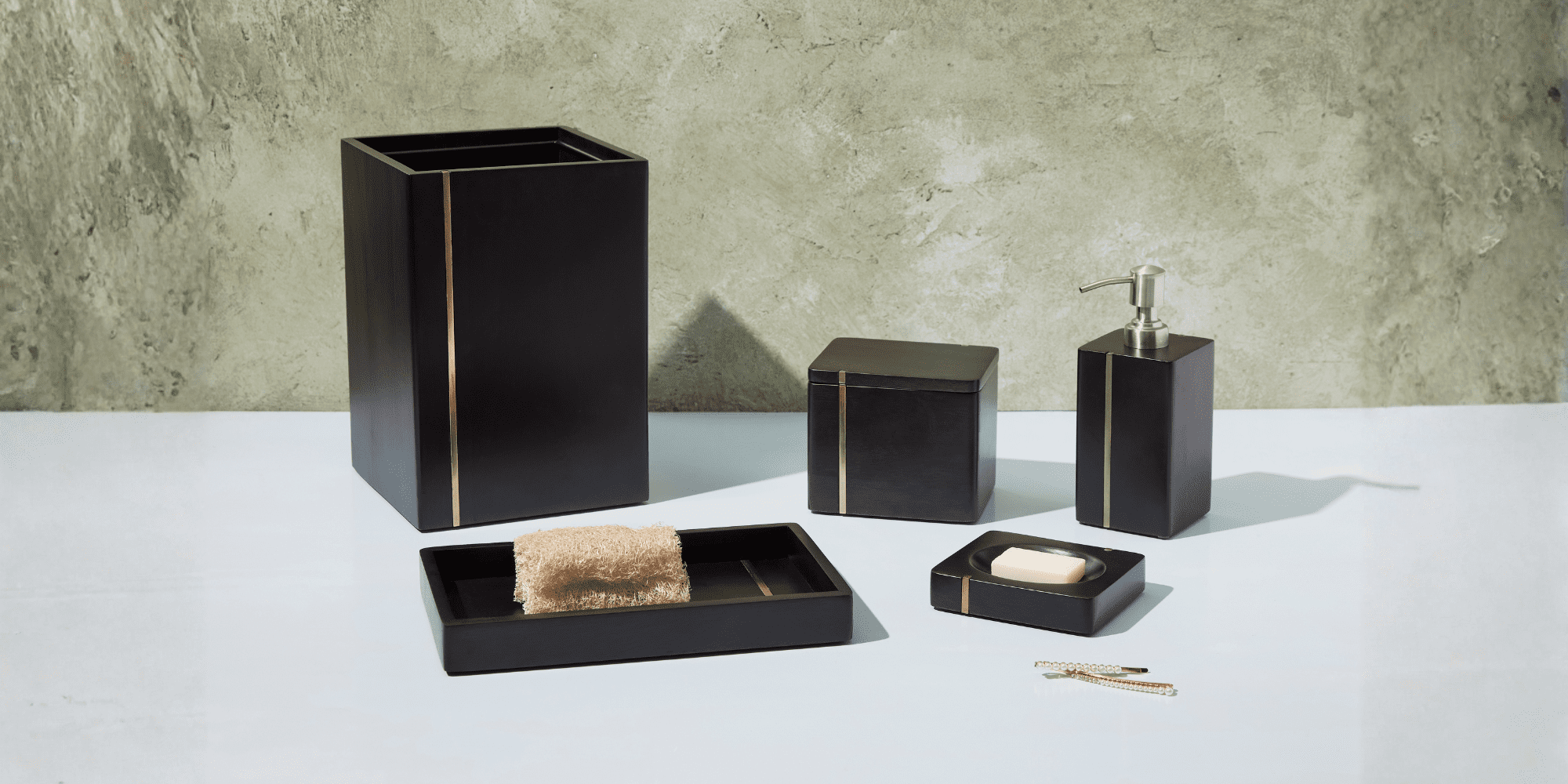
- Amenity trays that define placement instantly
- Materials that hold up to constant use without losing their finish
- Lighting that supports real routines, not just aesthetics
A guest shouldn’t have to rearrange the space to make it work.
Storage That Anticipates Behavior
Some guests unpack fully. Others live out of their suitcase.
The room should support both without friction.
That looks like:
- Luggage racks and benches that fit modern cases
- Surfaces for temporary placement
- Desk areas that double as functional space
Good storage doesn’t call attention to itself. It just works.

Designing for Confidence, Not Complexity
Here’s where the distinction matters most.
For a frequent traveler, complexity is an inconvenience.For a first-time or infrequent traveler, it’s a barrier.
Overdesigned elements, unclear functionality, or overly styled spaces can create hesitation.
The best guestrooms do the opposite:
- They guide without instruction
- They feel intuitive on first use
- They remove second-guessing
Luxury isn’t about how much you include, but about how easy it feels to use.
Designing for Scale Without Losing the Plot
Hotels aren’t designing one room. They’re designing hundreds, sometimes thousands.
Consistency matters. But it shouldn’t feel repetitive.
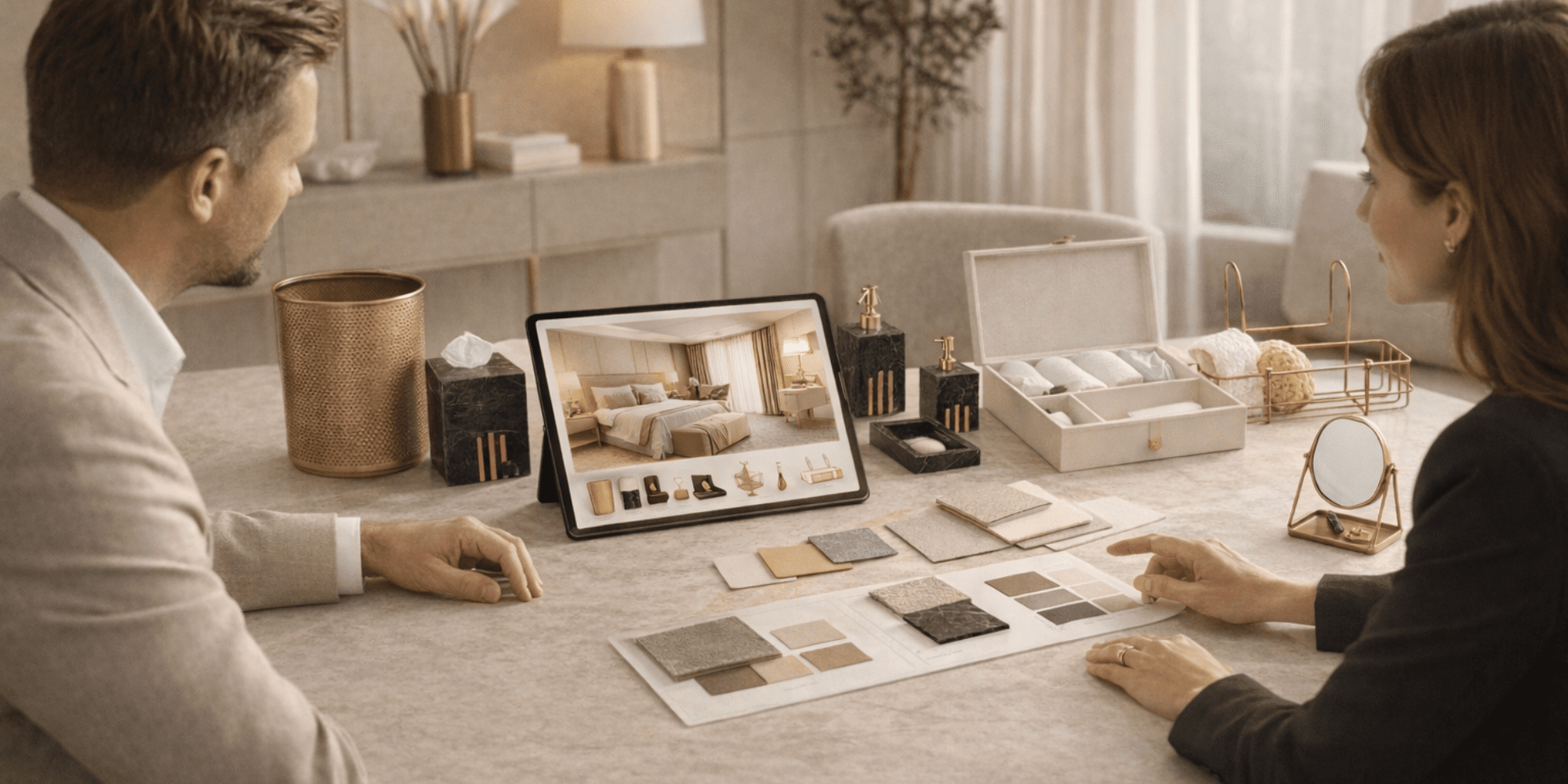
This is where hospitality-grade design comes in:
- Materials that perform under constant turnover
- Products that maintain integrity across production runs
- A balance between custom solutions and in-stock availability
The goal is a room that feels considered, every time.
Cultural Sensitivity, Without the Cliché
Designing for a global audience doesn’t mean referencing every culture.
It means creating a space that respects all of them.
Avoid:
- Literal or themed design gestures
- Overly specific references that limit relatability
Instead:
- Focus on material quality and craftsmanship
- Prioritize clarity and comfort
- Design for the individual, not the assumption
The most successful rooms feel like they belong anywhere.

Where OS&E and FF&E Becomes Essential
Guestroom accessories are often treated as finishing touches.
In reality, they are what make the room function.
Bath, bar, coffee, desk, closet, and public areas.
These are the touchpoints guests interact with most.
When designed well, they:
- Create order without effort
- Support operational efficiency
- Reinforce the overall material story of the room
Not decorative. Foundational.
Designing for global travelers isn’t about making a statement; it’s about removing the need for one.
Whether a guest has traveled the world or saved for this single trip, the expectation is the same: To walk into a room that feels clear, comfortable, and considered.
They may not know why it feels easy, but they’ll remember that it did.
Lead Times and Customization: What Hotel Buyers Should Know Before Ordering OS&E / FF&E.